Introduction
The first time I made this Sugar Cookie Frosting, I was elbow-deep in butter and powdered sugar while the dog kept stealing cooling cookies from the counter. Real life, right? I needed something quick for a last-minute cookie decorating night after easy weeknight dinners and honestly, I wanted a frosting that would behave. Soft and creamy when you bite in, but sturdy enough to stack for gifting or packing in lunchboxes. Basically, my dream spread for quick family meals that end with a little sweetness.
What surprised me most was how comforting it felt to whip this up after a long day—like edible therapy. The mixer hummed, the room smelled like vanilla and holidays, and powdered sugar floated through the air like glitter you can eat. I didn’t expect that the texture would be so silky with so little fuss. It reminded me that small, doable treats are the healthy comfort food I didn’t know I needed. Not “health” as in macros this time—more like the kind that takes the edge off a Tuesday.
I love how this frosting fits into real life. It goes from plain to party with a few drops of gel color, and it’s perfect for bake sales, classroom cookies, or a cozy night where the plan is pajamas, sprinkles, and a rom-com. You can play with flavors so it pairs with whatever you’re cooking for the week—think peppermint for winter, lemon for spring, almond for everything else. It’s also budget friendly, which my wallet appreciates when I’m focusing on budget-friendly recipes for dinner and dessert.
To be real, I’ve had my share of frosting fails. I once added milk like I was pouring cereal and ended up with a river. Oops. I learned to add liquid slowly—teaspoon by teaspoon—until the frosting hits that sweet spot between spreadable and pipeable. When it sets, it gets a soft crust you can touch without a fingerprint but stays tender inside. That set is clutch for cookie boxes, snack swaps, and those nights when you’re stocking up on treats for the week alongside your best meals to prep game plan.
And yes, I’ll say it: if you’re following a protein meal plan or sticking to low calorie high nutrition meals most of the time, it’s nice to have a frosting that doesn’t require a pastry chef degree. A little joy on a sugar cookie can live right next to your hello fresh low calorie menu style dinners. Balance, baby.
Why You’ll Love This Recipe
It’s fast. Ten minutes of mixing and you’re ready to decorate, even if you’re juggling homework help and timers for roasted veggies.
It’s customizable. Tint it any color, add extracts, or swirl in cocoa for a chocolate twist. It’s the dress-up box of frosting.
It sets beautifully. A thin crust forms on top so cookies stack, ship, and store without smearing. Inside, it’s soft and creamy.
It pipes like a dream. Outline, flood, rosettes, squiggles—go wild. It holds shape better than you’d think for a butter-based frosting.
It’s pantry-friendly. Butter, powdered sugar, milk, vanilla, salt. That’s it. Perfect for spontaneous decorating after prepared meals for two nights.
It’s family-approved. Kids love the taste, adults love the clean vanilla finish, and everyone loves the sprinkles.
What Makes This Recipe Special?
This frosting walks the line between a classic American buttercream and a soft set icing. The ratio of butter to powdered sugar gives body, while a touch of milk thins it to a silky, spreadable consistency. The magic happens as it rests: the surface dries just enough to become touchable—no rock-hard finish, no shattering, just a gentle crust that protects your designs.
Vanilla is the default, but the recipe loves to play. Almond for wedding-cookie vibes. Lemon for spring sets after good meal prep plans. Peppermint in December when your house smells like wrapping paper and cocoa. Because it isn’t a brittle royal icing, the bite is plush and satisfying—like the cookie and frosting were meant for each other, not battling for attention.
And let’s talk practicality. If you batch-bake on Sundays, this frosting fits that best meal prep healthy rhythm. Make it, tint it, store it. When the craving hits, pull chilled dough from the freezer, bake off two trays, and frost while you catch up on your shows. For folks living on ready made protein meals during busy weeks, a frosted cookie tucked next to fruit is the little wink of joy that gets you through.
Ingredients
Unsalted butter, softened
Powdered sugar, sifted
Milk or heavy cream
Vanilla extract or almond extract
Pinch of salt
Food coloring, optional
Sprinkles or decorations, optional
Let’s break down the cast so you get the best possible texture.
Unsalted butter: Softened butter is the base. It whips fluffy and emulsifies the sugar so you get a smooth frosting. I pull it out 30–45 minutes before using; it should press in easily but not look oily. If all you have is salted, reduce the added salt to a literal pinch.
Powdered sugar: This is the structure and sweetness. Sifting keeps lumps out, which matters for clean piping lines. Most brands contain a little cornstarch that helps the frosting set with that gentle crust—exactly what we want for stacking.
Milk or heavy cream: Start with 2 tablespoons and add more by the teaspoon. Cream makes it richer and a touch more stable; milk keeps it light. If you need a glossier finish, a teaspoon of light corn syrup helps without making it sticky.
Vanilla or almond extract: Vanilla delivers the classic sugar cookie flavor. Almond feels nostalgic—like bakery cases and wedding receptions. Use pure extracts when you can; a little goes a long way.
Salt: Tiny but mighty. It balances sweetness and sharpens flavor. Don’t skip it.
Food coloring and sprinkles: Gel colors are vivid and won’t thin your frosting like liquid drops can. Sprinkles need to go on while the frosting is still fresh so they adhere before the crust forms.
A few “don’t do this” reminders from my own chaos: don’t microwave butter to soften (it melts unevenly and breaks the emulsion), don’t dump all the milk at once (hello, frosting soup), and don’t color the entire batch bright red before testing a small spoonful first—deep colors can taste bitter if you overdo it.
How to Make It Step-by-Step
- Whip the butter
Add softened unsalted butter to a large mixing bowl. Beat with an electric mixer on medium until pale and creamy, about 2 minutes. You’ll hear the mixer pitch change as air whips in. The butter should look satiny, not greasy. - Add powdered sugar gradually
Sift powdered sugar directly into the bowl, one cup at a time. Mix on low so you don’t turn your kitchen into a sugar snow globe. Scrape the bowl after each addition. The mixture will look crumbly at first, then transform into a fluffy mass. - Splash in milk and vanilla
Add 2 tablespoons milk or cream, vanilla or almond extract, and a pinch of salt. Beat on medium until smooth and spreadable, 45–60 seconds. You’re aiming for a frosting that forms gentle peaks and clings to a spatula without sliding off. - Fine-tune the texture
If it’s too thick for piping swirls, add milk 1 teaspoon at a time. Too thin? Add 2–3 tablespoons more powdered sugar. For a subtle gloss that still sets, add 1–2 teaspoons light corn syrup. Taste. If it’s too sweet, a tiny extra pinch of salt brings balance. - Tint like a pro
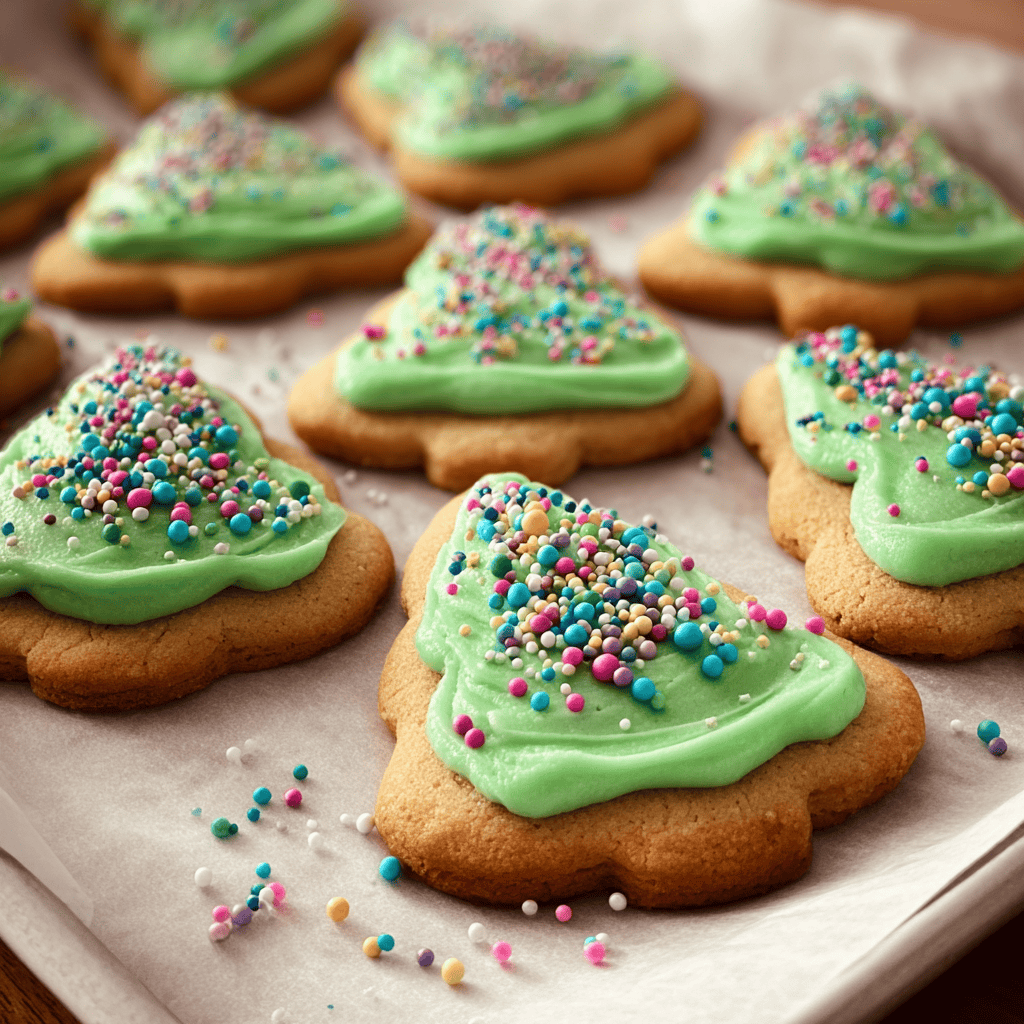
Divide the frosting into bowls. Use gel colors and start with the tiniest amount—like, toothpick tip tiny—then build. For deep shades, tint ahead of time and let it rest 15–20 minutes; colors deepen as they sit, which saves you from over-coloring. - Decorate cooled cookies
Ensure your sugar cookies are fully cooled. Pipe outlines and flood, or just swoop with a small offset spatula. Add sprinkles right away so they stick before the crust forms. If you’re using multiple colors, keep bowls covered so the surface doesn’t dry out. - Let it set
Leave cookies at room temp for 1–2 hours. You’ll see the surface turn from glossy to a gentle matte. After that, they stack like champs in parchment-lined containers and travel well for cookie swaps, school events, and after-dinner treats alongside healthy boxed meals.
Sights, smells, textures to expect: butter creaming to pale yellow, powdered sugar dissolving into silky ribbons, and that warm vanilla aroma that makes the whole house feel like a bakery. The sound of the mixer softens as the frosting smooths out, and when you drag a spoon through, it should leave defined swoops that hold.
Tips for Best Results
Use room-temperature butter and cool cookies. Temperature is everything for frosting that spreads evenly and sets nicely.
Sift your powdered sugar. It’s the difference between glassy-smooth piping and tiny, annoying clogs.
Beat longer than you think. Another 15–30 seconds can turn “grainy” into “glossy.”
Add liquid slowly. A teaspoon can take frosting from stiff to dreamy. More is not better.
Keep a damp towel over bowls while decorating. It prevents crusting on the surface.
For ultra-white frosting, use clear vanilla and a drop of violet gel to cancel yellow tones.
If you’re packing cookies for neighbors after ready meals for 2, chill them 20 minutes once set for super-tidy stacks.
Ingredient Substitutions & Variations
Non-dairy route: Swap in a dairy-free margarine and unsweetened almond or oat milk. Add a teaspoon of vanilla bean paste for flavor depth.
Citrus twist: Stir in 1 teaspoon fresh lemon or orange zest and replace half the vanilla with citrus extract. So bright with spring cookies.
Peppermint party: Use peppermint extract (go light—¼ teaspoon to start) and crush candy canes on top during the holidays.
Chocolate option: Whisk in 2 tablespoons sifted cocoa powder and a splash more milk. It tastes like a soft chocolate cloud.
Bakery almond: Use half vanilla, half almond extract and top with sliced almonds. Nostalgia unlocked.
Maple moment: Replace part of the milk with pure maple syrup and add a tiny pinch of cinnamon. Weekend brunch cookie energy, perfect after full english breakfast-inspired spreads.
Serving Suggestions
Frosted sugar cookies are the obvious star, but this frosting also moonlights as cupcake swirls, brownie toppers, and sandwich-cookie glue. I love matching colors to the season—pastels for spring parties, brights for summer picnics, jewel tones for autumn bake sales, and candy-cane stripes in December. Serve a cookie board with fruit and tea when you’re staying on track with healthy meal plans for two, or tuck a couple into lunchboxes next to premade lunch meals. This and a rom-com is perfection, especially when the couch is calling.
Pairing Ideas (Drinks, Sides, etc.)
Hot chocolate with a vanilla-peppermint cookie on the rim.
Iced coffee and almond-tinted cookies for an afternoon pick-me-up.
Spiced chai with citrus-zest cookies after no prep healthy lunches.
Sparkling water with lemon and a cookie platter when you want light and bright.
Vanilla yogurt and fruit for a dessert board that balances sweetness with freshness.
How to Store and Reheat Leftovers
Store leftover frosting in an airtight container in the refrigerator for up to 5 days. When you’re ready to use it, let it sit at room temperature 20–30 minutes, then beat briefly to refresh the texture. If it’s still stiff, add milk by the teaspoon until it loosens. Frosted cookies keep well at room temperature for a day or two once the surface sets, then I move them to the fridge for longer storage. Separate layers with parchment so designs stay neat next to your containers of low calorie chicken meal prep.
You won’t “reheat” frosting, but you can revive it. If it firms too much in the fridge, a quick whip plus a teaspoon of milk brings it back to creamy.
Make-Ahead and Freezer Tips
Make the frosting up to a week ahead. Store chilled, then re-whip with a splash of milk to restore smoothness. Frosted cookies freeze surprisingly well: set them fully, freeze on a sheet pan until solid, then stack in airtight containers with parchment between layers. Thaw in the fridge or at cool room temp. This strategy is clutch for parties, bake sales, and those nights when you’re juggling best dinner prep meals and still want dessert on deck.
Common Mistakes to Avoid
Over-thinning. It’s tempting to add more milk, but a little goes a long way. Start small.
Microwaving butter. It melts unevenly and breaks the emulsion. Be patient with softening.
Coloring too aggressively. Deep reds and blacks need time to bloom—add, rest, reassess.
Skipping the sift. Lumps love piping tips. Make life easier and sift.
Frosting warm cookies. The frosting will slide and never set. Cool is non-negotiable.
Frequently Asked Questions (FAQ)
How long does this frosting take to set?
Usually 1–2 hours at room temperature, depending on thickness and humidity. You’ll see the surface turn from glossy to a soft matte when it’s ready for stacking.
Can I make it ahead?
Yes. Chill up to 5 days, then let it warm slightly and re-whip. If it seems too thick, add milk a teaspoon at a time.
Will it harden completely?
It forms a gentle crust on top that makes cookies stackable but stays soft when you bite in—exactly what we want for cookie boxes and meals for 2 delivered dessert nights.
How do I get vibrant colors?
Use gel food coloring. It’s concentrated, keeps texture smooth, and won’t thin the frosting like liquid drops.
Can I pipe detailed designs?
Absolutely. For outlines and small details, use a slightly thicker batch; for flooding or swoopy swirls, thin with a teaspoon or two of milk.
Can I use this frosting on cakes or cupcakes?
Yes. It spreads beautifully on sheet cakes, cupcakes, and brownies. For tall layer cakes, consider a sturdier buttercream or chill layers before stacking.
How do I make it shinier?
Add 1–2 teaspoons of light corn syrup. You’ll get a subtle gloss and still keep that soft set.
Is there a dairy-free option?
Use a dairy-free margarine and your favorite unsweetened plant milk. Flavor with vanilla bean paste for richness.
Cooking Tools You’ll Need
Large mixing bowl and electric mixer
Measuring cups and spoons
Fine mesh sieve for powdered sugar
Small offset spatula for swoops and smoothing
Piping bags and assorted tips for detail work
Food-safe gel colors and toothpicks for precise tinting
Airtight containers for storing frosting and cookies
Cooling racks so cookies are fully cool before frosting
Final Thoughts
There’s something about a frosted sugar cookie that just makes a day better. It turns an ordinary evening into a tiny celebration, slips into lunchboxes like a secret high-five, and ends a dinner of healthy boxed meals with a smile. This Sugar Cookie Frosting is my go-to because it’s simple, reliable, and endlessly adaptable. It fits into real life—busy weeks, school events, neighbor gifts, or a quiet night where decorating cookies is the plan and the joy.
Make a batch, tint a few bowls, set out sprinkles, and let everyone play. Keep extras in the fridge next to your containers of high protein pre made meals and meal prep microwave lunches so dessert is never a project. And if a cookie cracks or a swirl goes sideways? Eat it. Laugh. Try again. That’s the best part of home baking: the delicious, imperfect bits we get to keep for ourselves.
If you enjoyed this recipe, don’t forget to save it on Pinterest or share it with a friend!

Sugar Cookie Frosting
Ingredients
- 1/2 cup unsalted butter, softened
- 3 cups powdered sugar, sifted
- 2-3 tablespoons milk (or heavy cream), plus more as needed
- 1 teaspoon vanilla extract (or almond extract)
- pinch of salt
- food coloring, optional
- sprinkles or decorations, optional
Instructions
- In a large mixing bowl, beat softened butter with an electric mixer until smooth and creamy, about 2 minutes.
- Gradually add powdered sugar, mixing on low until incorporated and the mixture looks fluffy.
- Add 2 tablespoons milk, vanilla (or almond) extract, and a pinch of salt. Beat on medium until smooth and spreadable.
- Adjust consistency: add milk 1 teaspoon at a time if too thick, or powdered sugar if too thin.
- For colored frosting, divide into bowls and tint with a few drops of food coloring, stirring until evenly blended.
- Spread or pipe onto completely cooled sugar cookies. Add sprinkles while frosting is still soft so they adhere.
- Let cookies sit at room temperature 1–2 hours until the frosting sets with a light crust. Stack and store as desired.