Introduction
The first time I made hoisin sauce at home, I did it in a borrowed studio kitchen with exactly one whisk, two questionable measuring spoons, and a very opinionated smoke alarm. I’d run out of the jarred stuff mid-stir-fry, and the grocery run was not happening. So I started mixing what I had: soy sauce, peanut butter, a splash of rice vinegar, a drizzle of honey, and a whisper of five spice. To be real, I didn’t expect much. Five minutes later, I was licking the spoon and mumbling “oh wow” like a person who just discovered a secret door in their own house. It was glossy, rich, and sticky in that perfect way, the kind of sauce that turns easy weeknight dinners into something craveable and restaurant-y without torching the budget for budget-friendly recipes or wrecking the flow of quick family meals.
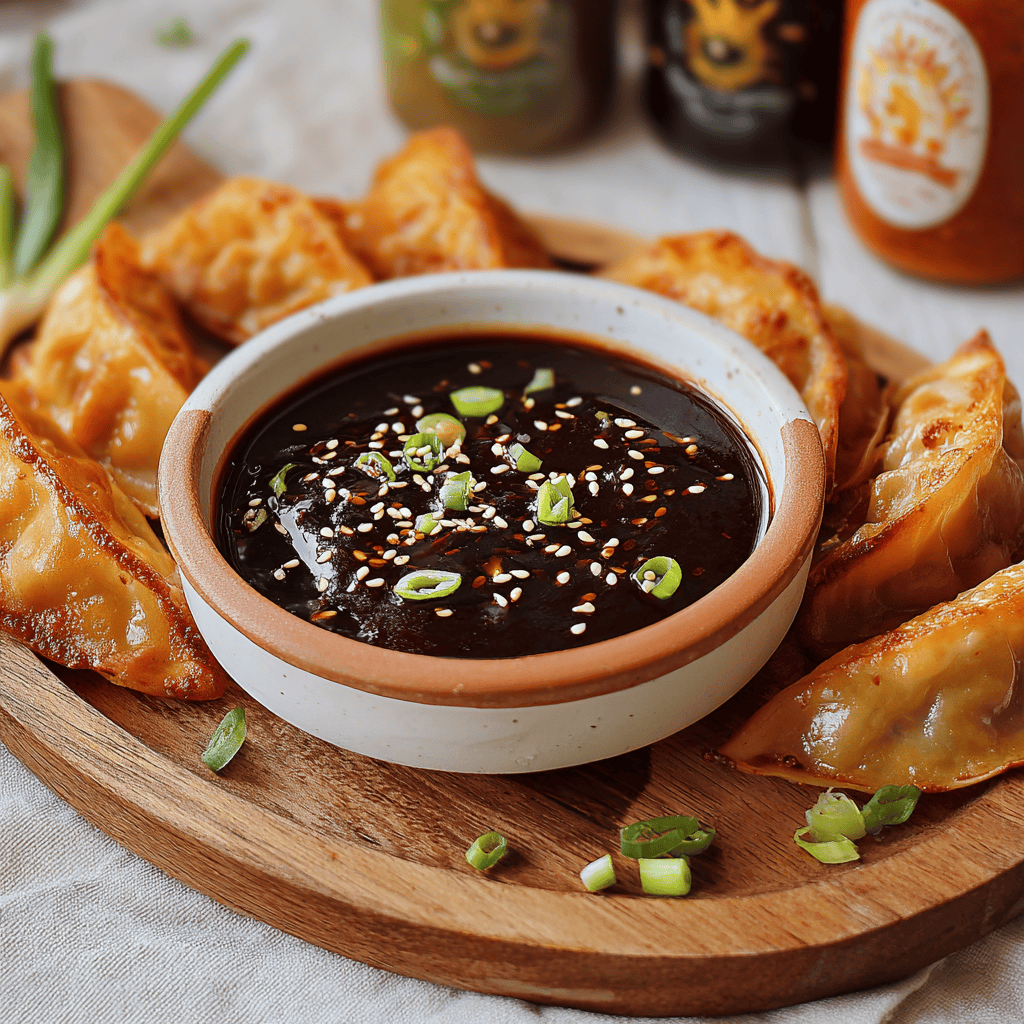
The smell hits first—salty, sweet, garlicky, with that cozy star-anise warmth from five spice. Then the texture: thick but pourable, satiny enough to glaze veggies and cling to noodles. It’s exactly the kind of “pull it from the fridge and boom, dinner is saved” staple that slots into a protein meal plan when you want flavor without fuss. I love how it cheerfully upgrades crispy tofu, grilled chicken, and roasted veggies, so you can build high protein meals that aren’t full of monotony. It’s also brilliant for the days when you’re aiming for best dinner prep meals—cook once, sauce everything, and enjoy leftovers that don’t taste like leftovers.
I keep a jar in the door of my fridge like a little emergency flare. Low energy? Hoisin noodle bowls. Friends dropping by? Hoisin glaze on wings or cauliflower with sesame seeds. Brunch cravings? Hoisin-drizzled eggs on toast for a cheeky riff on a full english breakfast vibe without all the heavy lifting. Honestly, it’s the definition of healthy comfort food for me: bold flavor, minimal effort, and that tiny thrill when the sauce bubbles and shines on a hot pan. It’s also wildly customizable, so if you’re following a keto meal plan or chasing low calorie high nutrition meals, you can tweak the sweetener or thin it out with a touch of water. Five minutes. One bowl. Big payoff.
Why You’ll Love This Recipe easy weeknight dinners
It’s fast. We’re talking five minutes, no cooking, no special equipment.
It’s pantry-friendly, which keeps it in the realm of budget-friendly recipes and best meal prep plans.
It transforms basics—think tofu, chicken, or roasted veggies—into high macro meals that feel exciting.
It’s a meal-prep hero for meal prep microwave lunches and quick noodle bowls.
It’s customizable for different eating styles, from vegan meal prep plan to high carb high protein low fat meals.
It brings that “takeout at home” vibe, a little glossy magic that honestly feels like a hug in a bowl.
What Makes This Recipe Special?
Balance is everything. This hoisin hits sweet, salty, tangy, and savory all at once, thanks to soy sauce, a touch of sweetness, rice vinegar, garlic, and fragrant five spice. The peanut butter (or tahini) is the not-so-secret hero—it thickens the sauce, rounds the flavor, and helps it cling like a dream to whatever you cook. I also love that it fits into so many dinner moods: glaze for grilled meats, marinade for sheet-pan veggies, dip for spring rolls, and sauce for noodles or fried rice. If your week is a blur and you’re leaning on ready made protein meals or best high protein frozen meals, a spoonful of this brings everything back to life with almost no effort.
Ingredients
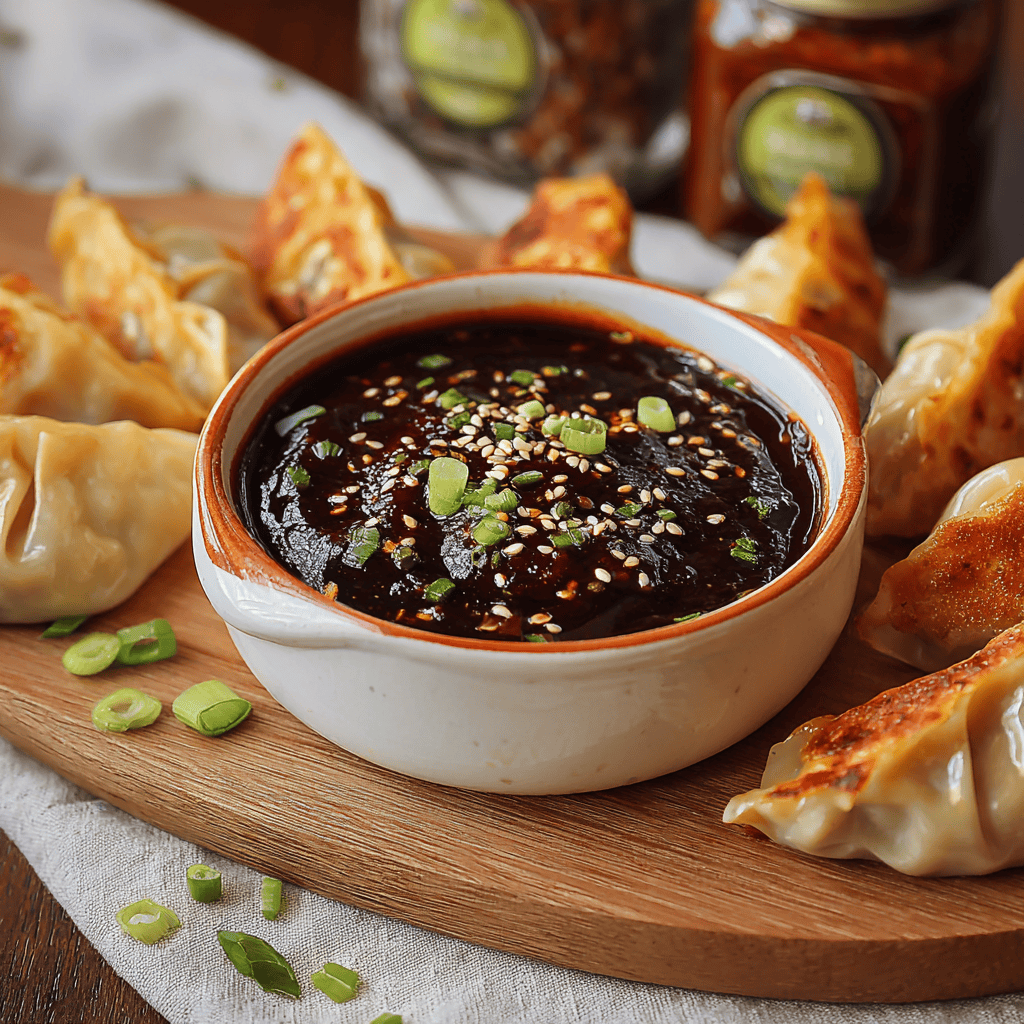
Soy sauce or tamari: This is your salty backbone and umami booster. Tamari is my go-to when serving friends who need it gluten-free. If your week looks like healthy boxed meals and simple proteins, this sauce adds depth fast.
Peanut butter or tahini: Peanut butter gives body and slightly sweet nuttiness; tahini makes it nut-free with a toasty, sesame-rich character. Choose smooth for a silkier finish that hugs noodles and makes best meals to prep feel gourmet.
Rice vinegar or white vinegar: A little tang wakes up the sweet-savory flavors. I reach for rice vinegar because it’s gentle. If you like a sharper note, white vinegar works.
Honey or maple syrup: Honey delivers clean sweetness and shine; maple syrup brings a hint of caramel that’s lovely in marinades and great when you’re building no prep healthy lunches.
Garlic, minced or grated: Fresh garlic brings that irresistible warmth. It’s the tiny detail that shouts homemade in the best way.
Sesame oil: A few drops go a long way. It’s nutty, fragrant, and essential for that “oh, this tastes like a restaurant” moment.
Sriracha or chili sauce (optional): Add heat if you want it. I love a teaspoon for a background kick, especially if I’m drizzling the sauce over low calorie chicken meal prep bowls.
Chinese five spice powder (optional but recommended): This is where the flavor tilts from “good” to “wow.” Star anise, cinnamon, clove, fennel, and pepper bring cozy warmth that pairs beautifully with roasted meats or crispy tofu.
Water (as needed): If you want a thinner consistency for drizzling or basting, a splash or two does the job.
Don’t do this: Don’t use chunky peanut butter unless you want a rustic texture. Don’t go heavy on sesame oil; it’s intense. And definitely don’t skip tasting and adjusting—this sauce is alive and responsive, and a tiny tweak can nail your perfect balance.
How to Make It Step-by-Step best dinner prep meals
Whisk the base. In a medium bowl, I add soy sauce (or tamari), smooth peanut butter (or tahini), rice vinegar, and honey or maple. I whisk slowly at first so the nut butter loosens and emulsifies. The texture shifts from streaky to satiny in under a minute, and the aroma tips toward savory and slightly sweet.
Add the character. I grate a clove of garlic right in, then drizzle in sesame oil. If I’m in a spicy mood, I squeeze in sriracha. A pinch of five spice brings instant coziness—think warm bakery meets stir-fry night. The smell is bold and irresistible.
Adjust. I dip a spoon and taste. If it’s a touch too salty, I add a bit more honey or a splash of water. If I want more tang, another half-teaspoon of vinegar cures it. When I need a pourable glaze for roasted veggies, I whisk in an extra teaspoon of water so it drizzles in ribbons.
Use it now or bottle it up. For best meal prep healthy, I portion some into a small jar for the fridge and keep a bowl nearby for dinner. It’s thick enough to cling to pan-seared chicken, yet smooth enough to toss with hot noodles. When the sauce hits a warm pan, it loosens, glazes, and gives off that sweet-savory steam that makes everyone wander into the kitchen asking what’s for dinner.
A few real-life notes from my messy attempts. I’ve added too much sesame oil—once. It dominated the sauce and made it bitter. I’ve also forgotten the vinegar, which made everything taste flat. The fix is simple: add acid and taste as you go. This is a five-minute recipe with the personality of an hour-long simmer, and the only “work” is paying attention to your own taste buds.
Tips for Best Results best meal prep plans
Taste as you go. This sauce is responsive—one more drizzle of honey or a micro-splash of vinegar can transform it.
Use smooth nut or seed butter. It keeps the sauce glossy and helps it cling to protein for high protein pre made meals style bowls.
Keep sesame oil light. A teaspoon is powerful. Overdo it and the sauce gets heavy.
Thin it if needed. Add a teaspoon of water at a time until you reach your perfect drizzle or marinade consistency.
Chill time helps. Ten minutes in the fridge lets the flavors settle, which is ideal when packing premade lunch meals.
Upgrade with aromatics. Minced scallions, grated ginger, or a dash of white pepper add layers without extra effort.
Ingredient Substitutions & Variations
Gluten-free: Use tamari or coconut aminos in place of soy sauce. It keeps the sauce friendly for healthy eating for two nights when guests have different needs.
Nut-free: Swap peanut butter with tahini or sunflower seed butter. You’ll keep that luxurious body perfect for ready meals for 2 plating.
Lower sugar: Use a sugar-free syrup or reduce the honey and balance with extra five spice and garlic. Works great for no prep keto meals.
Extra smoky: Stir in smoked paprika or a drop of liquid smoke for grilled foods.
Ginger kick: Add ½ teaspoon grated ginger for a brighter, zippier profile—amazing on salmon or tofu.
Citrus pop: A teaspoon of orange zest turns it into a lacquer for roasted chicken thighs that fits best high protein ready made meals vibes.
Serving Suggestions
Brush over grilled chicken, baked tofu, or roasted mushrooms for fast high protein microwave meals.
Toss with hot noodles, shredded rotisserie chicken, and snap peas for easy high protein high calorie meals on busy nights.
Use as a dip for spring rolls, crispy cauliflower, or air-fryer wings when you’re craving quick family meals.
Drizzle over rice bowls with steamed broccoli and sesame seeds to build high protein high carb low fat meals after workouts.
Spread on sandwiches or wraps with crunchy cucumbers and herbs for no prep healthy lunches that still feel special.
Pairing Ideas (Drinks, Sides, etc.)
Drinks: Sparkling water with lime, iced green tea, or a lightly sweetened ginger spritz plays well with the sauce’s sweet-savory balance.
Sides: Sesame cucumber salad, charred green beans, or a simple cabbage slaw bring freshness.
Mains: Sheet-pan chicken thighs, crispy tofu, or grilled shrimp slot easily into a protein eating plan with this sauce.
Starches: Jasmine rice, brown rice, or rice noodles all soak up the glossy goodness without stealing the show.
How to Store and Reheat Leftovers
Spoon the sauce into a clean jar and refrigerate for up to two weeks. The flavors actually deepen by day two. If separation occurs, a quick stir brings it back together. I don’t “reheat” this—room temp is perfect—but if you want it slightly warm for a glaze, whisk in a teaspoon of hot water or let it sit on the counter while you prep. For meal planning chicken or tofu nights, I like to portion a smaller container to avoid dipping a used spoon into the main jar.
Make-Ahead and Freezer Tips
Make it on Sunday, and you’re set for a week of best meals to prep. If you want to batch, freeze in ice cube trays for easy portions. Thaw overnight in the fridge or melt gently on the stovetop with a splash of water. Keep in mind that extreme temperature swings can slightly dull the garlic’s pop, so I often add a tiny fresh grate of garlic after thawing when I’m chasing maximum brightness for hello fresh low calorie menu energy at home.
Common Mistakes to Avoid
Overloading sesame oil. It’s aromatic but can go bitter. Start small.
Skipping the acid. Vinegar is the difference between flat and fabulous.
Using chunky nut butter. Save it for toast; smooth keeps the sauce sleek.
Not tasting. This is a living, flexible recipe designed for your palate. Adjust, then adjust again.
Over-thickening. If it looks pasty, thin with water a teaspoon at a time until it flows.
Frequently Asked Questions (FAQ)
Is hoisin sauce the same as soy sauce?
No. Soy sauce is thin and salty; hoisin is thicker, sweeter, and layered with spice.
Can I use almond butter instead of peanut butter?
Yes. Almond butter or even cashew butter works beautifully.
How can I make it gluten-free?
Use tamari or coconut aminos instead of soy sauce and confirm your other labels.
Is it spicy?
Only if you add sriracha or chili. Keep it mild or kick it up—your call.
Can I use this as a marinade?
Absolutely. It’s wonderful on chicken thighs, tofu, or vegetables. Thin with a splash of water for even coverage.
How long does it last?
Up to two weeks in a sealed jar in the fridge. Stir before using.
Does it work in stir-fries?
Yes. Add toward the end and toss to coat so the sugars don’t burn.
What does it taste like?
Sweet, salty, tangy, and deeply savory with a whisper of five spice.
Cooking Tools You’ll Need
Medium mixing bowl
Whisk or fork
Measuring spoons
Microplane or grater for garlic
Rubber spatula for scraping the bowl
Glass jar with tight lid for storage
Ingredients
1/4 cup soy sauce or tamari
2 tablespoons smooth peanut butter or tahini
1 tablespoon honey or maple syrup
2 teaspoons rice vinegar
1 teaspoon sesame oil
1 small garlic clove, minced or grated
1/2 teaspoon Chinese five spice powder (optional but recommended)
1 teaspoon sriracha or chili sauce (optional)
1–2 teaspoons water, as needed for thinning
How to Make It Step-by-Step (Detailed)
Add soy sauce, peanut butter, vinegar, and honey to a bowl. Whisk slowly until the nut butter loosens and the mixture becomes glossy. If it resists, let it sit for a minute and whisk again; the salt in soy sauce helps it come together.
Stir in minced garlic, sesame oil, and five spice. If you like heat, add sriracha. The scent will bloom: warm spice, savory soy, and the nutty edge of sesame oil.
Taste. Sweeten with a touch more honey if the soy tastes assertive, or add a bit of vinegar if the sauce feels heavy. If you want it thinner for drizzling, whisk in water 1 teaspoon at a time until it flows.
Use immediately or transfer to a jar. For best meal prep plans, keep a small container for quick grain bowls and another for marinades so you don’t cross-contaminate.
Recipe Notes for Different Goals
For high protein ready made meals style bowls, toss cooked shredded chicken or crispy tofu with a few tablespoons of hoisin, then add to rice with broccoli. For vegan low calorie meal plan days, thin the sauce slightly and drizzle over steamed veggies and brown rice. If you’re building low fat meal delivery vibes at home, reduce sesame oil by half and add extra vinegar for brightness.
Flavor Builder Ideas
Ginger-hoisin: add ½ teaspoon grated fresh ginger for a zesty punch.
Orange-hoisin: stir in 1 teaspoon orange zest and a squeeze of orange juice for a lacquer that sings on salmon.
Peppery-hoisin: a dash of white pepper gives a gentle, floral heat.
Garlic-lovers hoisin: double the garlic and let it rest 10 minutes; it mellows and blooms.
Hoisin for Every Meal Mood
For breakfast, I’ll fry an egg and swipe a little hoisin on toast with cucumbers and scallions—playful, savory, and oddly perfect when you want a lighter spin that still nods to that full english breakfast comfort. For lunch, it’s noodle bowls that qualify as no prep healthy lunches: leftover chicken, thawed edamame, chopped veggies, and a generous drizzle. For dinner, I brush it onto roasted chicken thighs and pull them at the end for a shiny glaze, which turns into healthy meal plans for two without much planning.
How to Use It With Proteins high protein meals
Chicken: Marinate for 30 minutes, then roast or grill. Brush with extra sauce in the last few minutes for a sticky finish.
Tofu: Press, cube, toss with cornstarch, and pan-fry. Add hoisin at the end and let it coat every edge.
Shrimp: Sauté quickly, then toss with a spoonful of hoisin and a squeeze of lime.
Beef or turkey meatballs: Bake, then glaze with thinned hoisin for best high protein ready meals energy on a busy night.
Building Balanced Bowls
Base: rice, quinoa, or rice noodles.
Greens: steamed broccoli, snap peas, or bok choy.
Protein: shredded chicken, tofu, or chickpeas for best vegan meal prep.
Crunch: cucumbers, carrots, sesame seeds, roasted peanuts.
Sauce: hoisin on top, plus a splash of lime.
Final Thoughts
I’m a big believer in small kitchen wins—the ones that make dinner feel doable even when the day’s been a mess. This Homemade Hoisin Sauce is exactly that. It turns simple ingredients into something glossy and generous, and it does it in five minutes with things you probably already have. I’ve made it after long runs, after work marathons, and once in the dark during a power outage with a headlamp. Every version worked. And every time, the smell of garlic and spice curling up from the bowl made me a little giddy.
If your week needs flavor with minimal fuss—and you want to keep your best meal prep healthy and friendly to your protein eating plan—this is your new house sauce. You’ll find yourself whisking it on autopilot, adjusting by taste, and pouring it over everything from noodles to steamed veggies to leftover roast chicken. It’s forgiving, flexible, and honestly a little addictive.
If you enjoyed this recipe, don’t forget to save it on Pinterest or share it with a friend!
Homemade Hoisin Sauce
Ingredients
- 1/4 cup soy sauce (or tamari for gluten-free)
- 2 tbsp smooth peanut butter (or tahini or black bean paste)
- 1 tbsp honey (or maple syrup)
- 2 tsp rice vinegar (or white vinegar)
- 1 tsp toasted sesame oil
- 1 clove garlic, minced or grated
- 1/2 tsp Chinese five spice powder (optional but recommended)
- 1 tsp sriracha or chili sauce (optional, to taste)
- water, as needed to thin (about 1–2 teaspoons)
Instructions
- In a mixing bowl, whisk together soy sauce (or tamari), peanut butter (or tahini/black bean paste), rice vinegar, honey (or maple), sesame oil, and minced garlic until smooth and glossy.
- Whisk in Chinese five spice and sriracha or chili sauce if using. Taste and adjust—add more honey for sweetness, more vinegar for tang, or a pinch of five spice for warmth.
- If a thinner consistency is desired for drizzling or marinating, whisk in water a teaspoon at a time until it reaches your preferred thickness.
- Use immediately or transfer to a clean jar. Refrigerate up to 2 weeks. Stir or shake before each use if separation occurs.