Introduction
Confession time: the first time I made a dipping sauce for dumplings, I dumped in so much sesame oil the whole kitchen smelled like a perfume counter. Oops. My potstickers slid around the plate like they were at a rink, and I learned fast that balance is everything. These days, this potsticker sauce is my tiny secret to big flavor, the kind that turns frozen dumplings into easy weeknight dinners and leftover rice into healthy comfort food. It’s five minutes of whisk-whisk, no cooking, and it fits right into budget-friendly recipes and quick family meals without breaking stride.
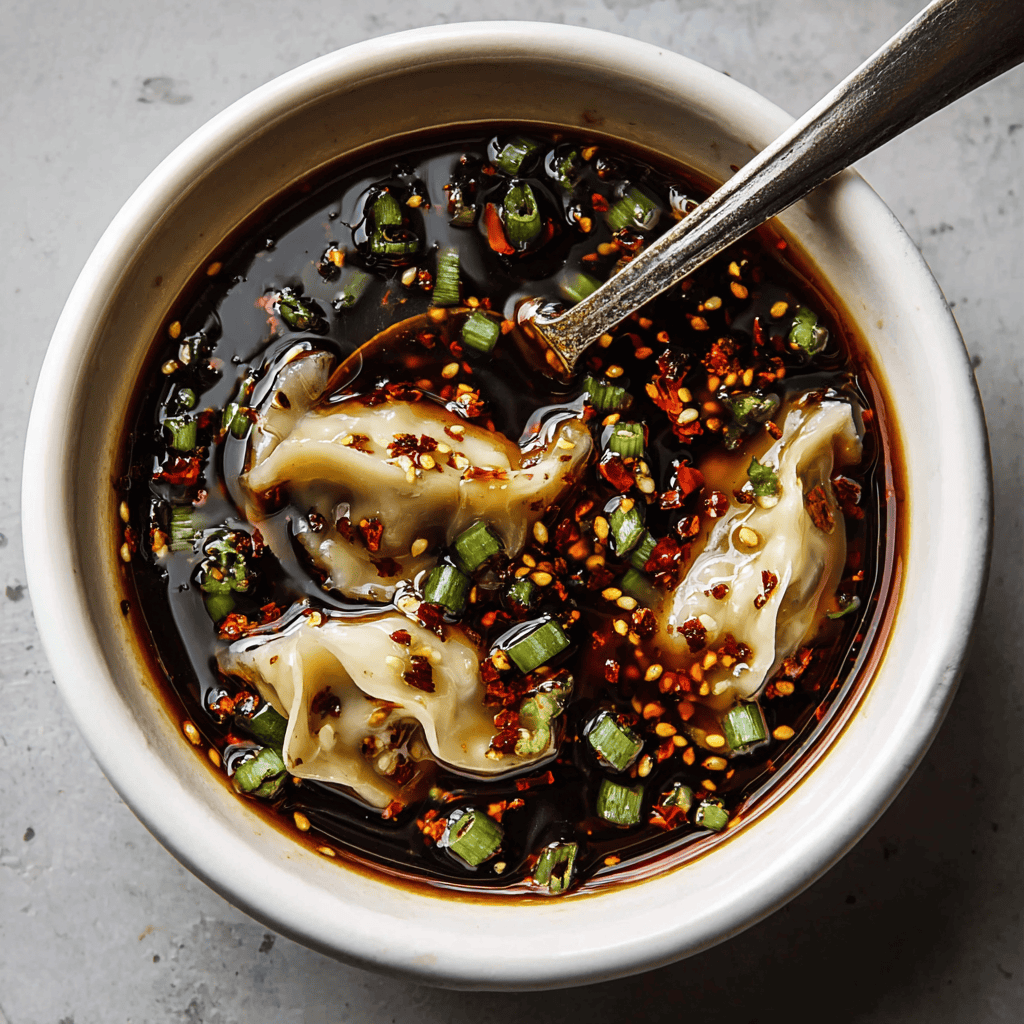
I picked up the habit of keeping a jar of this in the fridge after a late-night craving marathon. Picture this: rain tapping the windows, socks pulled up to my knees, and a skillet hissing while dumplings crisp. The lights were low, the TV was asking me if I was still watching (yes, obviously), and the scent of soy, garlic, and rice vinegar started to float up like a promise. I didn’t expect it to be so…hug-like. That first dunk—salty, tangy, a little sweet, and warm from ginger—made the kitchen feel smaller and cozier in the best way.
This sauce matters to me because it’s the opposite of fussy. It saves dinner when time is thin, it flatters both takeout and homemade, and it cares for picky eaters and heat-lovers at the same time. Add a little honey if you’re feeling cuddly; splash in chili oil if you woke up spicy. I use it for dumplings, sure, but also for drizzling on steamed broccoli, pan-seared salmon, and the “what do I do with this leftover chicken?” moments that show up in high protein meals and meal prep microwave lunches. If you chase a flexible protein meal plan or you’re mapping out best dinner prep meals for the week, this little jar is a quiet overachiever.
The unique comfort here is how the flavors stack. Savory soy anchors everything. Rice vinegar brings clarity. Sesame oil plays warmth without shouting. Garlic and ginger? They whisper “hey, you’ve got this.” It’s the taste of a busy night turning around. And honestly, that’s my favorite kind of kitchen magic.
Why You’ll Love This Recipe
It’s ridiculously fast. Five minutes and one bowl gets you a sauce that upgrades everything, making easy weeknight dinners feel intentional.
It’s balanced. Savory, bright, lightly sweet, and as spicy as you want—like a tiny conductor guiding a big orchestra.
It’s customizable. Add more heat, sweetness, or citrus; it adapts to good meal prep plans and picky-palate nights.
It works everywhere. Dumplings, gyoza, spring rolls, rice bowls, roasted veggies, even grilled chicken for high macro meals.
It’s make-ahead friendly. Stash it for the week to power no prep healthy lunches and late-night snack attacks.
It feels like a hug in a bowl… or in a saucer. Comforting, cozy, and just fancy enough to feel special.
What Makes This Recipe Special for easy weeknight dinners
The technique is simple but intentional. We whisk the base first—soy, rice vinegar, and sesame oil—so the fat and acid meet evenly before adding aromatics. That gives the sauce a silky body instead of a broken, patchy vibe. Letting it rest for a few minutes softens the garlic’s edges and lets ginger bloom.
I also love how pantry-friendly it is. You don’t need rare ingredients or a complicated shopping trip. If you’re cooking for healthy eating for two, you can scale it to exactly what you need. If you’re feeding a crowd, double it for a dumpling party and watch everyone hover around the bowl like it’s a campfire. It’s stealthy meal planning at its best—this one jar makes ready made protein meals taste homemade and weeknights feel easy.
Ingredients
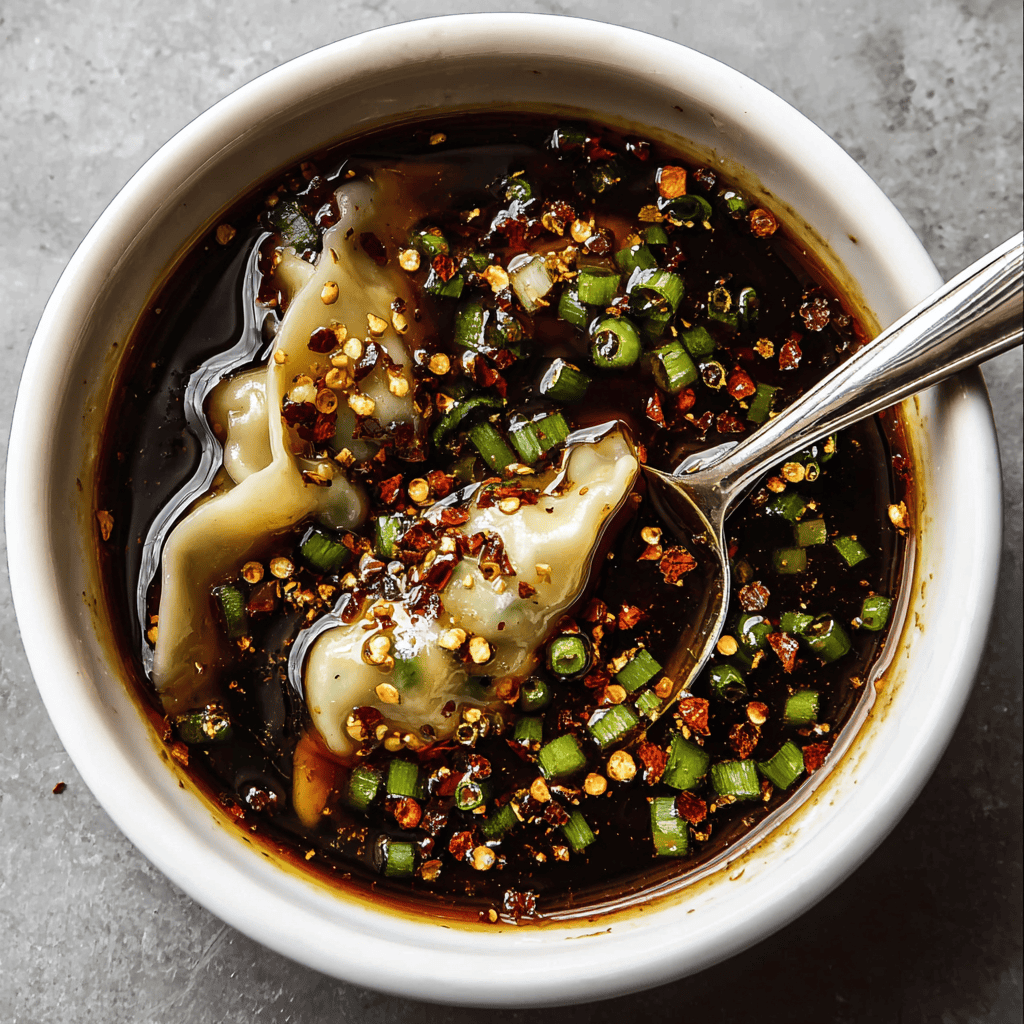
- ¼ cup low-sodium soy sauce (or tamari for gluten-free)
- 2 tablespoons rice vinegar
- 1 tablespoon toasted sesame oil
- 1 teaspoon honey or sugar, optional for a touch of sweetness
- 1 garlic clove, finely minced
- 1 teaspoon fresh ginger, grated, optional for extra brightness
- 1 tablespoon water, if you prefer a lighter flavor
- ½ teaspoon red pepper flakes or a drizzle of chili oil, optional for heat
- 1 green onion, finely sliced, for garnish
- 1 teaspoon toasted sesame seeds, optional for garnish
Soy sauce brings the savory backbone. I prefer low-sodium so the salt doesn’t stomp on everything else. If you’re gluten-free, tamari is your friend—it keeps the same satisfying depth and fits neatly into best meal prep healthy routines. Rice vinegar adds clean tang without harshness; skip anything too sharp like distilled vinegar, and avoid flavored vinegars that toss in sugar when you didn’t plan on it.
Toasted sesame oil is the warm hug. A little is plenty; it’s a finishing oil, not a cooking one. Start with the measured tablespoon and resist the urge to free-pour (ask me how I know). The sweetener is optional but helpful when you want a rounder, restaurant-style balance—honey, sugar, maple syrup, or agave all play nicely, especially if you’re aligning with a vegan meal prep plan.
Garlic and ginger are the personality. Fresh is best for both—the jarred stuff can taste flat and metallic. Water thins the sauce if you want something gentler for kids or lighter for low calorie high nutrition meals. Chili elements add sparkle and heat; choose your favorite, from red pepper flakes to chili crisp. Green onion and sesame seeds finish with a bit of crunch and color—tiny details that make your bowl look like it came from your favorite shop.
Don’t do this: drown the sauce in sesame oil, swap in balsamic or malt vinegar, or use old, bitter sesame seeds. Also, avoid adding thick cornstarch here unless you plan to gently heat it into a glaze; otherwise it can get gloopy. Keep it bright, keep it balanced, keep it you.
How to Make It Step-by-Step
- Build the base. Grab a small mixing bowl and whisk together the soy sauce, rice vinegar, and sesame oil. Hear that soft clink of whisk against bowl? That’s the soundtrack of a fast dinner. The liquids will look glossy and unified within seconds.
- Sweeten the edges. If you’re using honey or sugar, whisk it in now so it dissolves while the mixture is still simple. Taste a drop. You want savory with a just-noticeable hint of sweet—enough to soften the tang, not enough to turn this into dessert.
- Wake the aromatics. Mince the garlic and grate the ginger as fine as you can. I like using a microplane for ginger to keep strands from getting shouty. Sprinkle them in and whisk. The scent that rises—warm, sharp, clean—is what makes this feel restaurant-level in a minute flat.
- Adjust the strength. If you prefer a lighter, more dip-able sauce for quick family meals, whisk in that tablespoon of water. It takes the salty edge down a notch and makes it friendlier for kids or spice-shy guests.
- Choose your heat. Stir in red pepper flakes or a quick skim of chili oil if you want it spicy. This is where the sauce puts on its dancing shoes. I like a medium warmth for dumplings and a bolder heat for drizzling on veggie rice bowls. If you’re cooking toward high protein pre made meals, a spicier sauce helps grilled chicken or tofu feel extra alive.
- Let it mingle. Give the sauce five to ten minutes to rest. I know, patience is annoying, but this short pause helps the garlic relax and the flavors settle into a proper conversation. I’ll often chop green onions and toast sesame seeds during this window, because crunchy garnish makes everything feel intentional.
- Garnish and serve. Add the green onion and sesame seeds right before serving for texture and color. The surface will look glossy and dotted with little gold and green bits—very photogenic, very Pinterest-ready for anyone planning best meal prep plans.
- Taste and tweak. Dip a dumpling and decide: more vinegar for zip, more honey for roundness, or a dash more sesame oil for warmth. If it tastes balanced straight from a spoon, it’ll taste even better hugging a crispy potsticker.
- Make it a glaze (optional). For noodle stir-fries or roasted veggies, whisk ½ teaspoon cornstarch with 1 tablespoon water, stir it into the sauce, and heat gently in a saucepan until it barely thickens. You’ll get a silky cling that’s perfect for coating proteins in high protein high carb low fat meals.
- Use it everywhere. Dip, drizzle, or toss. It lifts leftovers, refreshes takeout, and makes “just rice and veg” feel like dinner. This is peak weeknight efficiency—the friendliest kind of flavor bomb.
Tips for Best Results with best dinner prep meals
Keep it fresh. Fresh garlic and ginger make the sauce sing, especially if you’re using it to brighten ready meals for 2.
Mind the sesame oil. It’s potent; measure first, taste, then add more if needed.
Let it rest. Five minutes softens raw-garlic sharpness and blends flavors like magic.
Balance to your mood. More vinegar for brightness, more sweetener for comfort, more heat for energy—tailor it to your protein eating plan.
Garnish right before eating. Green onion and sesame seeds should stay crisp.
Batch it. Double the recipe on Sunday so you’ve got a week of no prep healthy lunches waiting in the wings.
Ingredient Substitutions & Variations
Gluten-free friends can swap soy sauce for tamari or coconut aminos. The flavor stays deep and savory while fitting different needs. If you’re dialing sodium down, use low-sodium soy and add a tablespoon of water—or squeeze in a little fresh lime to brighten without extra salt.
For heat, go playful. Chili oil brings warm complexity, red pepper flakes are clean and simple, and a dab of sriracha or gochujang turns this into a bolder, clingier dip. If you want a sweeter, kid-friendly version, bump the honey to a teaspoon and let the sauce rest longer. For a citrus glow, whisk in a spoonful of orange juice or lime juice; it’s dreamy on grilled shrimp and excellent with veggie rice bowls for best meals to prep.
Prefer it vegan? Choose sugar, maple syrup, or agave instead of honey. Want a thicker glaze for noodles or roasted Brussels sprouts? Add that tiny cornstarch slurry and warm gently. The base recipe stays the same; the vibe shifts depending on your dinner plan—whether that’s no prep keto meals with crisp chicken thighs or best vegan meal prep with tofu and broccoli.
Serving Suggestions
Set it out with pan-fried potstickers, steamed dumplings, or crispy gyoza for a fast snacky dinner. Drizzle it over jasmine rice with roasted vegetables and a jammy egg for healthy eating for two that feels cozy and quick. Toss it with chilled noodles, cucumbers, and shredded chicken for a refreshing bowl that plays well with meal planning chicken and high macro meals.
It’s also fantastic with sheet-pan salmon, sautéed green beans, and sesame-slicked mushrooms. For nights when you’re pulling a little of everything from the fridge, make a mini “bento”: leftover grain, sautéed veg, a protein, and a cup of this sauce. Movie night, rom-com, comfy socks—perfection.
Pairing Ideas (Drinks, Sides, etc.)
Sip something crisp like iced green tea, sparkling water with citrus, or a ginger-lime mocktail. Pair with sides that crunch and soak: smashed cucumbers, simple sesame slaw, or roasted sweet potatoes brushed with a little sauce. Add scallion pancakes, steamed edamame, or a quick miso soup to turn snacky plates into dinner-worthy spreads that still feel like budget-friendly recipes.
How to Store and Reheat Leftovers
Transfer the sauce to a clean, airtight jar. It keeps in the fridge for up to a week. Give it a quick stir before serving since garlic can settle and sesame oil can float. There’s no real reheating here—the sauce is meant to be served cold or at room temp, which is great for best high protein ready made meals upgrades on busy nights.
If the flavor concentrates after a couple days, loosen it with a splash of water or a little extra rice vinegar. If you added heat, know it can intensify over time; taste before serving and adjust. Keep garnishes separate so green onions stay perky and sesame seeds stay toasty.
Make-Ahead and Freezer Tips
Make the sauce up to a week ahead and store it in the fridge. I like to portion it into small containers so I can grab a couple tablespoons for meal prep microwave lunches. Freezing isn’t ideal—the texture can separate and aromatics lose their sparkle—but you can prep smart: keep garlic and ginger minced in tiny freezer bags and mix fresh sauce in seconds later. Another trick is to pre-mix the liquids without aromatics, then add the fresh garlic and ginger the day you serve.
Common Mistakes to Avoid
Overloading sesame oil. It’s a finishing note, not the choir—measure first.
Using the wrong vinegar. Stick to rice vinegar for gentle brightness.
Skipping the rest. Five minutes mellows the garlic and blends flavors.
Using old aromatics. Tired garlic or fibrous ginger dulls everything.
Salting elsewhere without adjusting. If your dumplings are salty, consider diluting the sauce with a little water for balance.
Frequently Asked Questions (FAQ)
Can I make this gluten-free?
Yes. Use tamari or coconut aminos. It stays savory and works beautifully for best meal prep healthy bowls.
Is it spicy?
Only if you want it to be. Add chili oil or red pepper flakes for heat; skip for mild quick family meals.
Can I thicken the sauce?
Whisk ½ teaspoon cornstarch with 1 tablespoon water, stir into the sauce, and warm gently until slightly thick. Great for glaze-style noodles or roasted veg in high carb high protein low fat meals.
What if I don’t have rice vinegar?
White vinegar works in a pinch, but start small and taste as you go. Rice vinegar gives a softer, more balanced tang.
Can I sweeten without honey?
Absolutely. Use sugar, brown sugar, maple syrup, or agave—helpful when following a vegan low calorie meal plan.
How long does it last?
Up to 1 week in the refrigerator. Stir before using. Keep garnishes separate for best texture.
Can I use it as a marinade?
Yes. Add a little water and a touch more sweetener, then marinate chicken, tofu, or shrimp for 15–30 minutes. It’s a fast path to high protein microwave meals that don’t taste microwaved.
Does it work with salmon or vegetables?
It loves both. Drizzle over roasted salmon, steamed broccoli, crispy Brussels sprouts, or sautéed mushrooms for best high protein frozen meals glow-ups.
Cooking Tools You’ll Need
A small mixing bowl and a whisk are the core. A microplane or fine grater helps with ginger and gives a smoother texture. A sharp knife and cutting board make fast work of garlic and green onion. Measuring spoons keep the balance, and a clean jar with a tight lid handles storage like a champ.
Final Thoughts
I love a sauce that acts like a friend. It shows up when you’re hungry, it listens to your mood, and it makes dinner feel doable. This potsticker sauce is five minutes of care that turns dumplings into a full situation and brings life to everything from rice bowls to leftover rotisserie chicken. It slides into best meal prep plans and best meals to prep without fuss, rescues last-minute cravings, and brings that cozy, can-do energy you want on a Tuesday night.
Make it once and watch how often you reach for it. Dunk the crispy edges, drizzle the warm rice, taste, adjust, smile. And if you’re cooking for two, it’s perfect for meals for 2 delivered vibes at home—no delivery fees, just you, a skillet, and a sauce that’s got your back. If you enjoyed this recipe, don’t forget to save it on Pinterest or share it with a friend!
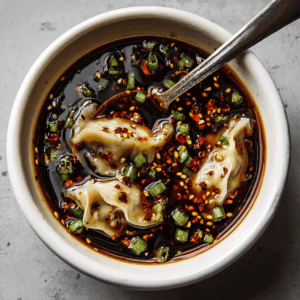
Potsticker Sauce
Ingredients
- 1/4 cup low-sodium soy sauce (or tamari for gluten-free)
- 2 tablespoons rice vinegar
- 1 tablespoon toasted sesame oil
- 1 teaspoon honey or sugar (optional)
- 1 clove garlic, minced
- 1 teaspoon fresh ginger, grated (optional)
- 1 tablespoon water (optional, to dilute)
- 1/2 teaspoon red pepper flakes or a drizzle of chili oil (optional)
- 1 tablespoon green onion, finely sliced (garnish)
- 1 teaspoon toasted sesame seeds (optional garnish)
Instructions
- In a small bowl, whisk together soy sauce, rice vinegar, and sesame oil until combined.
- Whisk in honey or sugar (if using) until dissolved.
- Add minced garlic and grated ginger; whisk to distribute.
- If a milder flavor is desired, whisk in the water to dilute.
- Stir in red pepper flakes or a drizzle of chili oil for heat, if desired.
- Let the sauce rest 5–10 minutes to allow flavors to meld.
- Garnish with sliced green onion and toasted sesame seeds just before serving.
- Serve as a dipping sauce for potstickers, dumplings, gyoza, spring rolls, or drizzle over rice and stir-fries.