Introduction
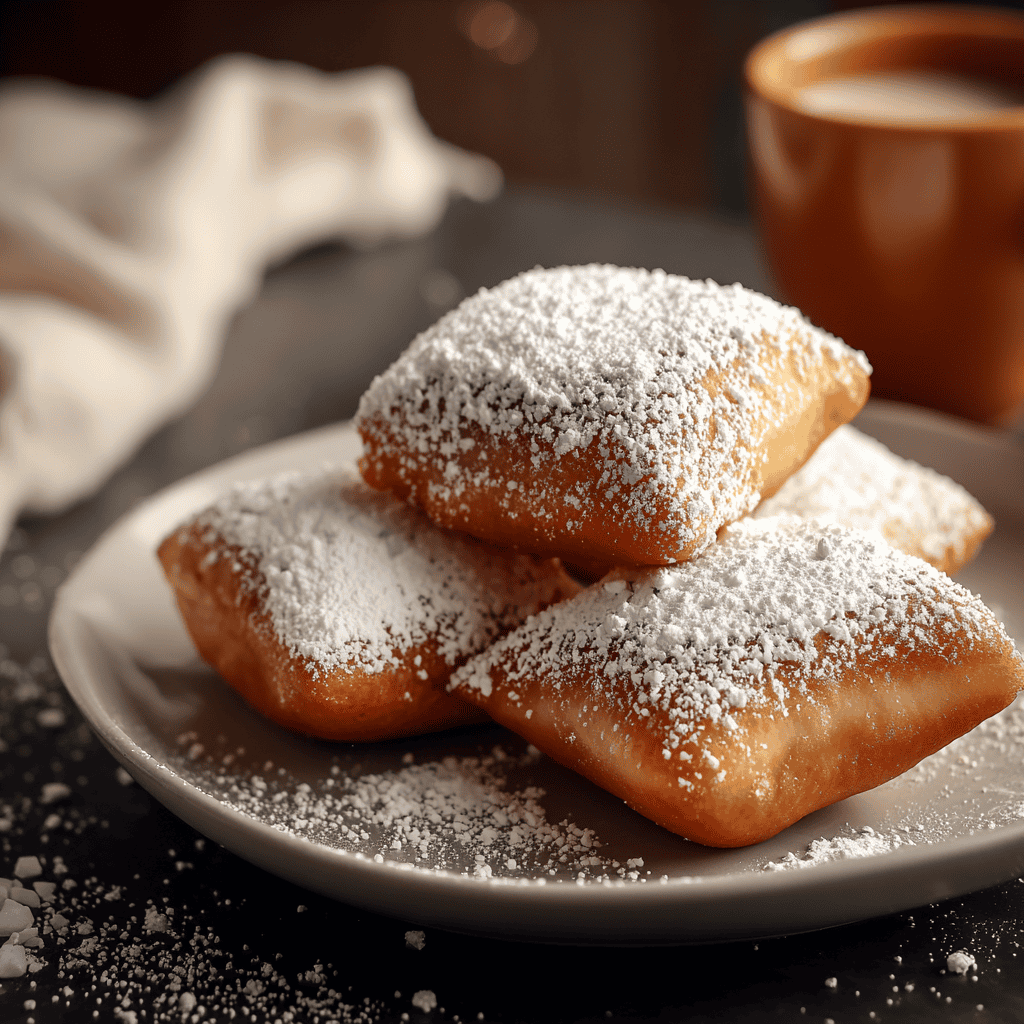
The first time I tried making beignets at home, I forgot to heat the oil properly and created what I can only describe as vanilla-scented pancakes wearing sugar snow. Oops. They were edible, sure, but not exactly the airy pillows I dreamed about after a trip where I chased beignets from New Orleans corners to tiny Paris cafés. The second try, I paid attention to the bubbles around a wooden spoon, kept the thermometer clipped like it was my co-pilot, and—boom—golden clouds. Steam rose, the kitchen smelled like warm vanilla and butter, and those little squares puffed like they were breathing. I didn’t expect that level of drama from dough, but here we are.
Beignets became my weekend ritual the way some folks swear by pancakes. Saturday morning, sunlight sneaking through the blinds, the soft hum of a kettle, and a playlist that makes me whisk a little faster. There’s this moment when the dough is ready—smooth, elastic, just a tiny bit tacky—when I feel like a food magician. Cut, fry, flip, dust. Suddenly I’m running my own pretend café. The powdered sugar falls like confetti, and I’m somehow eight years old again, chasing sweetness with sticky fingers and zero shame.
And listen, they’re not just for lazy Sundays. I’ve used beignets to anchor a brunch spread when friends stop by unannounced, and I’ve even pulled off a weeknight dessert for a table of teenagers who devoured a sheet pan of chicken and then asked, “What’s next?” That’s how these little golden squares slipped into my rotation of easy weeknight dinners add-ons and budget-friendly recipes that double as a party trick. If you keep yeast in the pantry and butter in the fridge, you’re halfway there. They’re nostalgic, cozy, and absolutely count as healthy comfort food for the soul.
I also love how they play nice with whatever you already have: warm jam, chocolate sauce, honey, or a quick lemon glaze. If you’re planning quick family meals and saving the flashy stuff for the weekend, beignets are a tiny celebration you can pull off without a bakery. Pair them with coffee, a creamy yogurt bowl, or even alongside a savory plate if you’re building your own version of a full English breakfast at home. To be real, I’ve served them after dinner with berries and vanilla ice cream, and the table went quiet—the good kind of quiet.
And yes, if you’re toggling a protein eating plan during the week, you can still make these on a Saturday and share them with neighbors. Balance is the vibe. Think of them as that sweet moment in a week of best meal prep plans, no prep healthy lunches, and the occasional low calorie high nutrition meals. Joy belongs on the plate, too.
Why You’ll Love This Recipe
They’re airy and delicate. The dough puffs into soft pillows with a whisper of vanilla, and the outside shatters into a delicate crunch under a snow of powdered sugar. Feels like a hug in pastry form.
They’re surprisingly simple. A bowl, a whisk, a rest, and a quick fry. If you can flip a pancake, you can flip a beignet, which makes these perfect to tack onto quick family meals or a brunch board.
They’re adaptable. Dust with sugar, dip in chocolate, spoon on jam, or fill with cream. You can steer them toward dessert or brunch without changing the base recipe.
They’re crowd-pleasers. Picky eaters? Meet the fried dough that charms everyone. If you’re navigating healthy meal plans for two or expanding to a whole crew, these scale beautifully.
They store and reheat. Make them ahead, freeze, and rewarm for fast treats—very best meals to prep energy when you want café magic on a Monday.
They’re cost-friendly. Pantry staples plus a little oil. A win for budget-friendly recipes that still feel special.
What Makes This Recipe Special?
Vanilla-forward flavor. A full tablespoon of vanilla extract gives warmth and sweetness that lingers, and a pinch of optional vanilla bean powder makes the aroma swoon-worthy.
Balanced dough. The milk, butter, and eggs create a tender, enriched dough that fries up light instead of heavy.
Reliable rise. The method prioritizes yeast activation and a cozy rise, so you get consistent puff—no dense centers.
Flexible shapes. Squares for classic café vibes, or circles if you’re feeling playful. Either way, they puff like they mean it.
Fryer-free friendly. A deep, heavy pot works perfectly. I use a thermometer, but the wooden-spoon-bubble test has rescued me more than once.
Ingredients
All-purpose flour: The dependable backbone. It’s strong enough to hold a shape yet soft enough to give that tender chew. If your flour is compacted, fluff it with a fork and spoon it into the measuring cup; heavy-handed scooping packs in too much and can give you dense dough.
Active dry yeast: The lift. Fresh yeast smell = clean and bready; if it’s stinky or gray, toss it. I keep a few packets in a jar in the pantry so weekend beignets are always an option. If you’re using instant yeast, you can whisk it in with the flour and skip the warm-water activation step.
Warm milk: Cozy, gentle heat that feeds the yeast and tenderizes the crumb. I aim for about 110°F—pleasantly warm, not hot. Too hot milk can break your yeast’s heart, so test with a finger if you don’t have a thermometer.
Granulated sugar: Adds sweetness and helps browning. A little goes into the yeast to jump-start the foam party; the rest balances the dough. Don’t overdo it or the beignets brown too fast before they cook through.
Large egg: Structure and richness. Beat it lightly so it disperses evenly. If your egg is straight from the fridge, dunk it in warm water for 5 minutes to take off the chill—yeast loves a warm environment.
Unsalted butter, melted: Flavor and tenderness. Let it cool slightly so it doesn’t scramble the egg or stress the yeast. I’ve tried oil in the dough in a pinch, but butter gives that café-style finish you want.
Vanilla extract: The soul of this recipe. Use a real vanilla extract. If you have vanilla bean powder or paste, a pinch transforms the aroma into “boulangerie at sunrise.”
Salt: Quietly essential. It balances sweetness and makes the vanilla pop. Don’t skip it. A scant ½ teaspoon is plenty for this amount of flour.
Neutral oil for frying: Vegetable, canola, or peanut oil all work. Neutral is key—you want vanilla and sugar to lead. Change the oil if it smells used or darkens after a batch.
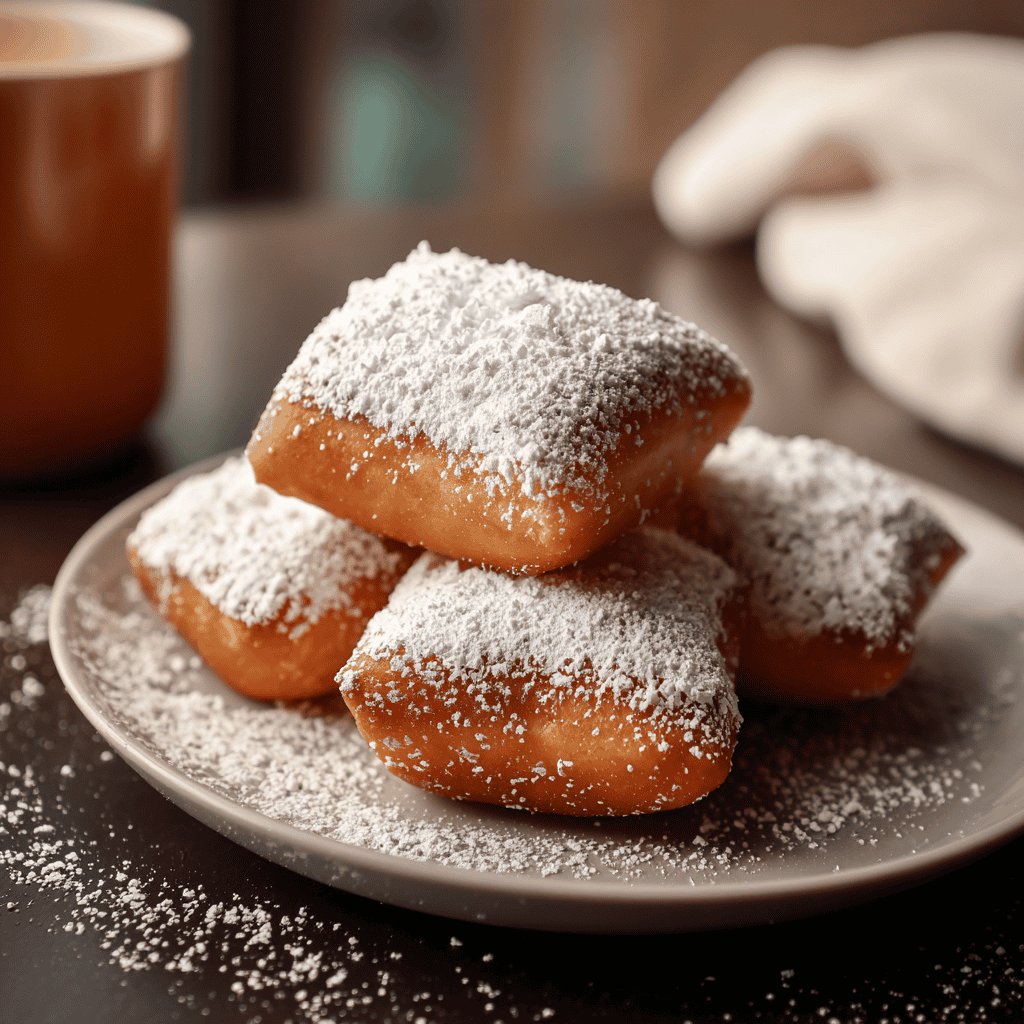
Powdered sugar: The snowfall. Sift it to avoid clumps, and go generous. It’s not about minimalism here; this is café theater.
Optional fillings and finishes: Jam, chocolate sauce, honey, cinnamon sugar, or pastry cream. Just promise me you’ll try at least one filled beignet because the first bite is a full-on rom-com finale.
A few “don’t do this” warnings, learned the sticky way: Don’t pour blazing-hot butter straight into the egg mixture (scramble city). Don’t fry without testing the oil temp (greasy beignets are a broken promise). And don’t crowd the pot—beignets need elbow room to puff.
How to Make It Step-by-Step
Activate the yeast. In a small bowl, stir warm milk (or warm water if following the first version) with a tablespoon of sugar and the yeast. Give it 5–10 minutes. You’re looking for a creamy foam that climbs the sides. If it sits there like a sullen pond, your yeast is done—start over with a fresh packet. I’ve talked myself into “maybe it’s fine” before; it was not fine.
Mix the wet ingredients. In a large bowl, whisk the egg, remaining sugar, melted butter, and vanilla until glossy and fragrant. The bowl should smell like cookies and comfort. If your butter is still hot, wait a minute; warm is welcome, hot is hostile.
Build the dough. Pour the foamy yeast mixture into the bowl. Add half the flour and all the salt, and whisk until it looks like thick batter. Switch to a spatula or dough hook and add the rest of the flour gradually until a soft, slightly sticky dough forms. It should cling to the bowl in a cozy way, not in a “help, quicksand” way. If it’s soupy, add a tablespoon of flour at a time; if it’s stiff, splash in a teaspoon or two of warm milk.
Knead to smooth. Turn the dough onto a lightly floured surface and knead 4–6 minutes, or let a stand mixer with a dough hook run for about 5 minutes. You want a satiny finish and a spring-back when you poke it. The dough should be soft and warm from your hands, almost alive. It’s a good feeling.
First rise. Place the dough in a lightly greased bowl, cover with a towel, and let it rise in a warm, draft-free spot until doubled, about 60–90 minutes. On cold days, I preheat the oven for 2 minutes, turn it off, and use that cozy nook. I’ve also known to sit the bowl near a sunny window like a cat. Whatever works.
Roll and cut. Gently deflate the dough with your hands, then roll it out on a lightly floured surface to about ¼–½ inch thick. Thinner for crispier edges, thicker for marshmallowy centers. Cut into 2-inch squares with a pizza cutter for that classic café look, or use a round cutter for circles. The scraps? Press together, rest 5 minutes, and cut again. Waste nothing; we’re here for all the pillows.
Heat the oil. Pour 2–3 inches of oil into a deep, heavy pot. Heat to 350°F. If you don’t have a thermometer, dip the handle of a wooden spoon in—steady bubbles mean go time. If the bubbles race like a soda commercial, it’s too hot. Adjust. To be real, I keep the thermometer clipped so I don’t get distracted by powdered-sugar fantasies.
Fry in batches. Slide in a few dough pieces, giving them space. They’ll sink, pause, and then puff gloriously. Flip after 60–90 seconds when the underside is deep golden. Cook the second side another minute. The sizzle should sound cheerful, not furious. Furious means burned edges and raw centers—ask me how I know.
Drain and dust. Use a slotted spoon to lift beignets to a paper towel-lined sheet. While still warm, shower them with powdered sugar. Don’t be shy. It clings better when they’re warm, and the theatrics make everyone gasp a little. Promise fulfilled.
Serve warm. Beignets are at their absolute peak in the first 10 minutes—crisp, steamy, irresistible. Offer jam, honey, or chocolate sauce, and prepare to lose count of how many you’ve had.
Optional fillings. If you’re stuffing them, let beignets cool slightly, then poke a hole with a paring knife and pipe in pastry cream, premade lunch meals style but way better, or squeeze in a spoonful of jam. A small piping bag or even a zip-top bag with the corner snipped works.
Cleanup and victory lap. The only sound better than the last sizzle is the chorus of happy sighs from the table. Rinse the pot once the oil cools, line up the sugar-dusted stars, and accept your compliments like a pro.
Tips for Best Results
Mind the temperature. Oil at 350°F is the sweet spot. Too hot and the outside browns before the inside cooks; too cool and they drink oil. A thermometer is worth it if you love best dinner prep meals level consistency.
Rest the dough. A full rise equals full puff. If your kitchen is chilly, give it extra time. Dough that doubles is dough that delights.
Roll to even thickness. Uneven dough fries unevenly. Quarter-inch for crisp, half-inch for pillowy. Pick a lane.
Don’t crowd the pot. Beignets need space to expand. Fry in small batches and bring the oil back to temp between rounds.
Sift the sugar. Lumps happen. A fine-mesh sieve gives that café snowfall effect that looks Pinterest-perfect on a board built for best meal prep healthy inspo.
Serve immediately. Beignets are at their peak warm. If you’re hosting, fry in rounds and pass them hot—like the best kind of edible confetti.
Ingredient Substitutions & Variations
Dairy-free: Swap in oat or almond milk and use dairy-free butter. The texture stays light and the vanilla still shines—great for friends on a vegan low calorie meal plan day who are okay with yeast doughs.
Gluten-free: Use a cup-for-cup gluten-free blend formulated for yeast breads. Add a tablespoon of milk if the dough looks dry.
Cinnamon-sugar finish: Toss warm beignets in cinnamon sugar instead of powdered sugar. It’s a fairground flashback and plays nicely with coffee.
Chocolate drizzle: Melt dark chocolate and zigzag it over the top. Suddenly dessert gets dressed up for date night, perfect if you’re cooking healthy eating for two and want a sweet ending.
Stuffed beignets: Fill with pastry cream, Nutella, or thick jam. A surprise center turns them into bakery-level treats that feel like ready meals for 2 you made yourself.
Baked option: Bake at 375°F for 10–12 minutes. They won’t puff quite as dramatically, but they’re lovely for folks steering toward low fat meal delivery vibes at home.
Serving Suggestions
Classic café style with a mountain of powdered sugar and a hot drink. This and a rom-com is perfection.
With berries and yogurt. Think creamy bowl, warm beignet on the side—great for high macro meals when you want something sweet next to protein.
With jam flights. Strawberry, apricot, blueberry. It becomes a tasting party for good meal prep plans weekends.
With a savory plate. Scrambled eggs, roasted tomatoes, and a few beignets for a playful brunch that nods to a full English breakfast without going heavy.
As dessert. Scoop of vanilla ice cream, drizzle of honey, dusting of sugar. Quiet table, happy hearts.
Pairing Ideas (Drinks, Sides, etc.)
Café au lait or a robust espresso for true café energy.
Hot chocolate with a vanilla bean stirred in for extra warmth.
Iced coffee for summer brunch boards that fit into no prep healthy lunches when you need a sweet break.
Fresh fruit salad kissed with lemon zest to balance the richness.
Soft-scrambled eggs and a crisp green salad if you want a light, savory counterpoint that still feels like healthy comfort food.
How to Store and Reheat Leftovers
Room temperature: Keep beignets in an airtight container for up to 2 days. They’ll lose the crisp edge but stay tender.
Freezer: Freeze in a single layer, then transfer to a bag for up to 2 months. Label it—future you will cheer.
Reheat: For that just-fried effect, warm in a 350°F oven for 5–6 minutes. Microwave for 8–10 seconds if you’re in a rush, then re-dust with powdered sugar. It’s a tiny hack when you’re juggling meal prep microwave lunches or an evening of easy high protein high calorie meals for the rest of the family.
Avoid: Reheating in a damp environment. Steam will soften the crust too much. Keep it dry heat for best texture.
Make-Ahead and Freezer Tips
Overnight rise: Mix and knead the dough, then refrigerate overnight. It develops deeper flavor and saves you time on brunch day—ideal for best meals to prep when guests are coming.
Par-fry method: Fry beignets until very pale gold, cool, and freeze. Finish in a 375°F oven for 6–8 minutes, then dust with sugar. Handy for hosting or when you’re mapping a weekend protein meal plan and want a sweet extra.
Frozen-to-oven: Bake frozen beignets at 350°F for 8–10 minutes, then sugar. They’ll taste freshly made with minimal effort.
Common Mistakes to Avoid
Skipping yeast proofing. If the yeast doesn’t foam, the dough won’t rise. Start over and save your oil.
Over-flouring the board. Too much flour works into the dough and toughens it. Light dusting only.
Crowding the pot. Oil temp drops, beignets soak up oil, and you get greasy results. Fry 3–5 at a time, depending on pot size.
Ignoring oil temperature. Guessing leads to burnt outsides and raw centers. Use a thermometer when you can—consistency is key, like the best hello fresh low calorie menu nights.
Dusting too early. Powdered sugar sticks best to warm beignets, not scorching hot ones. Give them 30 seconds, then snowstorm.
Frequently Asked Questions (FAQ)
Can I make the dough ahead?
Yes. Mix and knead, then refrigerate overnight. Let it sit at room temp 30–45 minutes before rolling. This is gold for Saturday brunch and fits right into best meal prep plans.
What oil is best?
Use neutral oil: vegetable, canola, or peanut. They hold steady at frying temp and don’t compete with vanilla.
Why aren’t my beignets fluffy?
Most often, under-risen dough or cool oil. Let the dough double and keep oil around 350°F. Also check your yeast freshness date.
Can I make them without yeast?
Yes with baking powder, but they’ll be more like fried biscuits. Still tasty, less lofty.
How do I keep them warm for serving?
Tuck batches into a 200°F oven on a wire rack, then dust with sugar just before serving. Perfect for meals for 2 delivered vibes at home, minus the delivery.
Can I air-fry them?
You can. Brush with a light film of oil and air-fry at 350°F for 6–8 minutes, flipping halfway. Texture is different—more baked than fried—but still delightful for low calorie premade meal delivery energy at home.
Cooking Tools You’ll Need
Large mixing bowl and whisk
Wooden spoon or silicone spatula
Stand mixer with dough hook (optional, but convenient)
Measuring cups and spoons
Bench scraper or pizza cutter
Rolling pin
Deep, heavy pot or Dutch oven
Candy or instant-read thermometer
Slotted spoon or spider
Paper towels and cooling rack
Fine-mesh sieve for powdered sugar
Final Thoughts
There’s a particular joy in making something that looks harder than it is. Beignets fall into that category with a wink. A little patience, a warm bowl, and a pot of steady oil deliver café-level treats that stop conversations mid-sentence. Every time the powdered sugar lands in soft drifts, I feel this quiet, sparkly happiness—simple ingredients, small ritual, big payoff.
If your week is a carousel of quick family meals, high protein meals, and careful lists for low calorie high nutrition meals, let these be the weekend exclamation point. Share them with the neighbor who brings your packages to the door, or the friend who always shows up hungry. To be real, I’ve eaten one standing over the sink and called it self-care. That counts.
Try them once, and you’ll start inventing excuses to make them again. Rainy morning? Celebration? Tuesday? Yes. Fry a batch, dust generously, and listen to that first crisp bite. It’s the softest, sweetest kind of magic you can make with your hands.
If you enjoyed this recipe, don’t forget to save it on Pinterest or share it with a friend!
Vanilla French Beignets
Ingredients
- 2 1/4 teaspoons active dry yeast (1 packet)
- 3/4 cup warm milk (110°F / 45°C)
- 1/4 cup granulated sugar, divided
- 1 large egg, lightly beaten
- 3 tablespoons unsalted butter, melted and slightly cooled
- 1 teaspoon vanilla extract
- 2 1/2 cups all-purpose flour (plus extra for dusting)
- 1/2 teaspoon fine salt
- vegetable oil, for frying
- 1/2 cup powdered sugar, for dusting
- optional: vanilla bean powder or cinnamon for finishing
- optional fillings: jam, chocolate sauce, honey, or pastry cream
Instructions
- Proof yeast: In a small bowl, whisk warm milk with 1 tablespoon of the sugar and the active dry yeast. Let stand 5–10 minutes until foamy. If there is no foam, discard and start with fresh yeast.
- Mix wet base: In a large bowl, whisk the egg, remaining sugar, melted butter, and vanilla until smooth and fragrant.
- Build dough: Stir the foamy yeast mixture into the bowl. Add half the flour and the salt; mix to a thick batter. Add remaining flour gradually until a soft, slightly sticky dough forms.
- Knead: Turn onto a lightly floured surface and knead 4–6 minutes (or mix with a dough hook about 5 minutes) until smooth and elastic.
- First rise: Place dough in a lightly greased bowl, cover, and let rise in a warm spot 60–90 minutes, or until doubled in size.
- Roll and cut: Gently deflate, then roll to 1/4–1/2 inch thickness. Cut into 2-inch squares (or circles). Rest scraps 5 minutes and recut.
- Heat oil: Pour 2–3 inches of vegetable oil into a deep pot and heat to 350°F (175°C). Keep the thermometer clipped to maintain temperature.
- Fry: Fry beignets in small batches 1–2 minutes per side until deep golden and puffed. Avoid crowding to keep oil hot.
- Drain: Transfer with a slotted spoon to a paper towel–lined rack to drain briefly.
- Finish: While warm, dust generously with powdered sugar (and a pinch of vanilla bean powder or cinnamon if using). Serve immediately with coffee, hot chocolate, honey, chocolate sauce, or fruit preserves.
- Optional filling: Once slightly cooled, poke a small hole and pipe in jam, pastry cream, or chocolate for stuffed beignets.
- Storage: Keep at room temperature up to 2 days; rewarm at 350°F for 5–6 minutes. Freeze up to 2 months and reheat from frozen until hot and crisp, then re-dust with sugar.