Introduction
I discovered sumac by accident—one of those late-night grocery runs where you swore you were only buying paper towels and somehow end up strolling the spice aisle like it’s a museum. I grabbed a small jar because the label promised “lemony brightness,” and honestly, who doesn’t want a little edible sunshine on a random Tuesday? That jar turned into this recipe: a shatter-crisp, spice-crusted salmon that absolutely earns its spot in my rotation of easy weeknight dinners. It’s the kind of healthy comfort food that doesn’t feel heavy, checks my “more fish, please” box for high protein meals, and slides neatly into my plan for budget-friendly recipes and quick family meals without any drama.
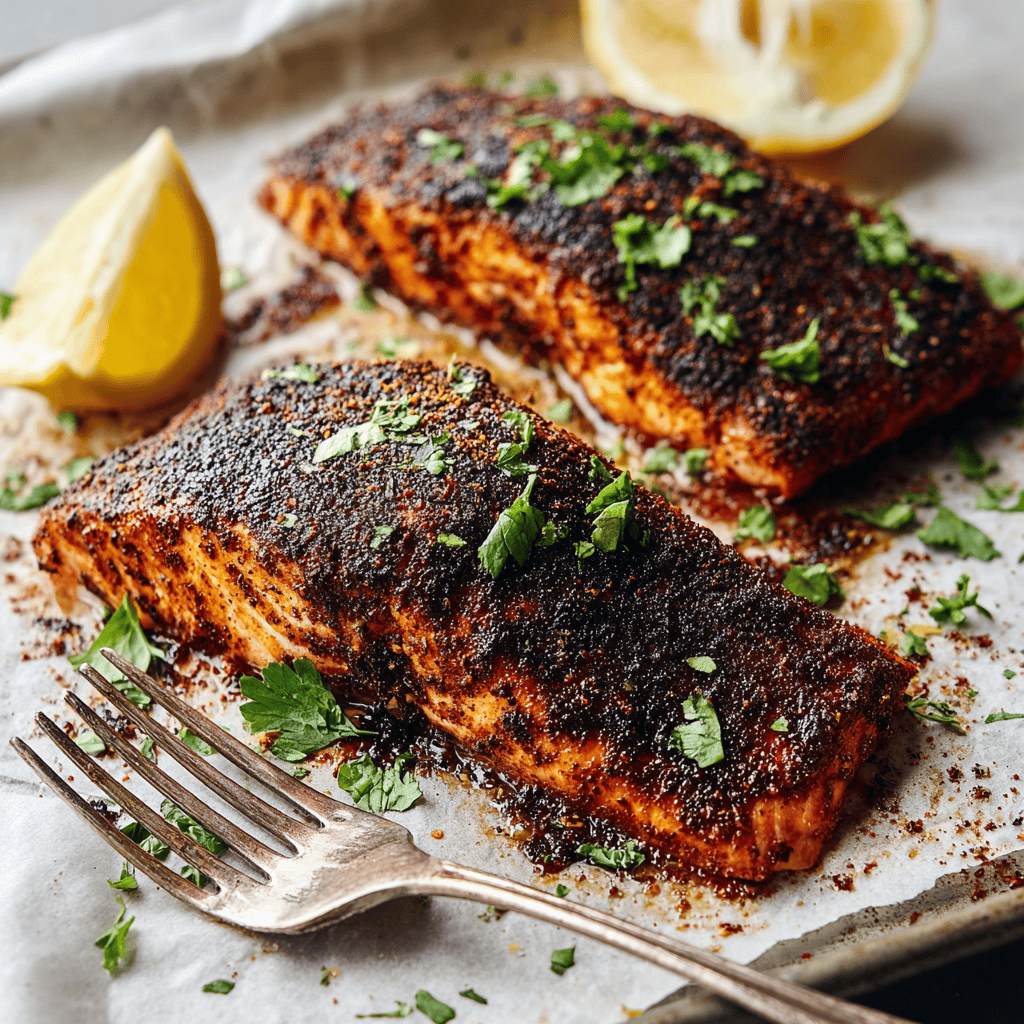
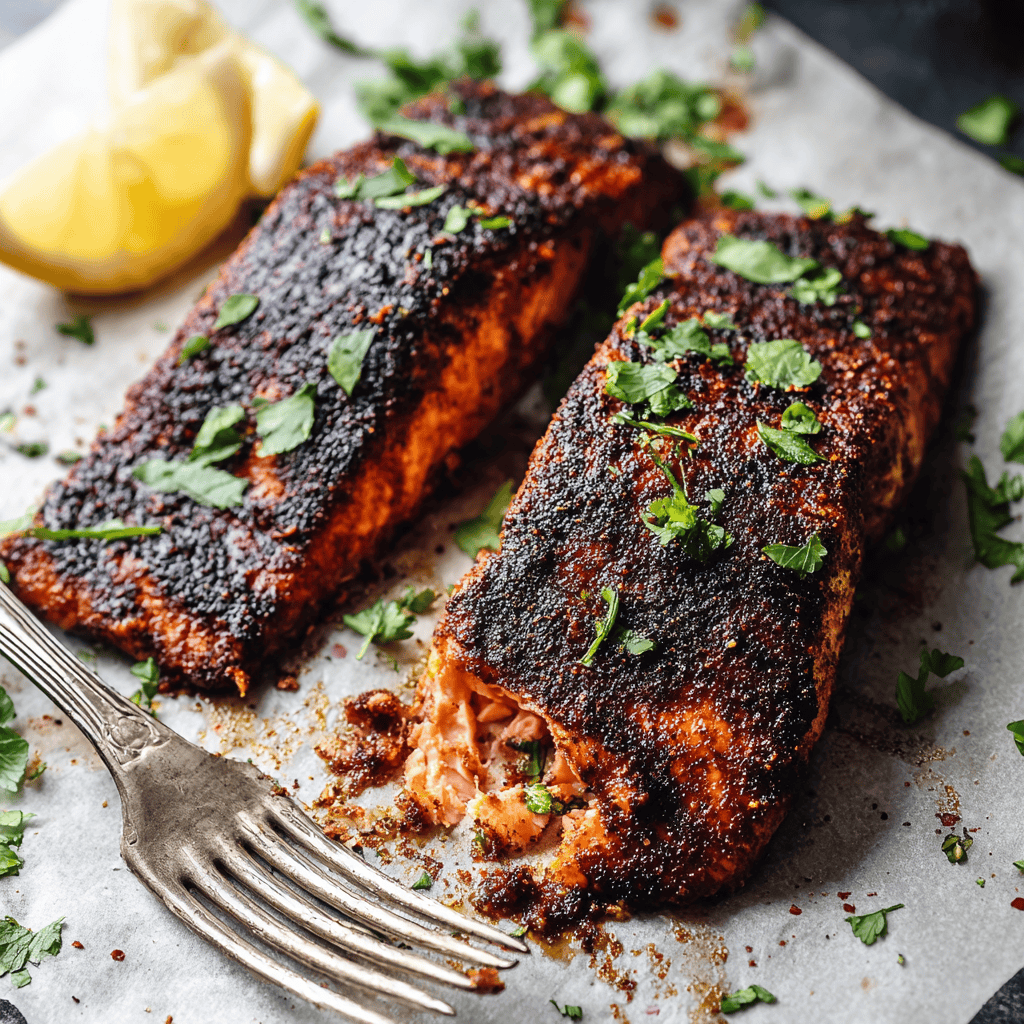
The first time I blackened salmon at home, I had a tiny panic at the smoke coming off the pan—oops, I didn’t expect that cloud—but it smelled like a cozy beach bonfire mixed with garlic and citrus. The crust crackled when my spatula nudged it, the edges caramelized to this deep auburn color, and the kitchen went from quiet to sizzling applause. That’s the magic of blackening spices meeting hot oil: big sound, bigger flavor. I served it over a tumble of herbed couscous with a crunchy cucumber salad, and the table fell silent in that “everyone’s chewing, no one wants to ruin the moment” kind of way.
To be real, this is my “I’ve got ten minutes and a lemon” dinner. The spice blend is bright thanks to sumac, smoky from paprika, and just bold enough to make you sit up straight. It packs the kind of protein that keeps you satisfied (hi, protein eating plan), yet it still feels light enough for those evenings when you want to eat well and then watch a show with a blanket and tea. If you love the practicality of best dinner prep meals, best meal prep healthy, or even assembling meal prep microwave lunches for the week, this salmon plays nice with whatever side you’re craving. And yes, it totally fits a flexible protein meal plan—flaky, juicy, and fast.
Why You’ll Love This Recipe
It’s fast—think hot skillet, quick sear, dinner in 15 minutes.
The crust is crispy and caramelized while the inside stays succulent and silky.
It’s flexible: slide it over quinoa, rice, salads, or roasted vegetables.
Leftovers make hero-level lunches for premade lunch meals or no prep healthy lunches.
Sumac brings a citrusy lift that tastes restaurant-fancy without extra steps.
It’s friendly for high macro meals and weeknights, yet impressive for guests.
What Makes This Recipe Special?
The sumac. It’s not just “lemon-ish”; it’s tangy and fragrant, like citrus zest’s cooler cousin. That brightness cuts through the richness of salmon so each bite tastes balanced, not heavy.
The blackened technique. You’re not deep-frying or breading—just pressing spices onto the fish and letting a hot pan do its thing. You get the smoky flavor and crisp edges with minimal oil and maximum payoff.
The one-pan efficiency. Fewer dishes means we’re all more likely to actually cook, which is kind of the secret of good meal prep plans and best meals to prep—make it easy, and it happens.
The built-in nutrition without effort. Salmon is packed with protein and omega-3s, perfect for anyone navigating a protein meal plan, dabbling in high protein high carb low fat meals on training days, or balancing high carb high protein low fat meals for energy.
The “oops-proof” approach. A hot pan and a two-stage sear give you wiggle room. Even if you flip early or your heat runs a bit high, the spice crust forgives and still tastes amazing.
Ingredients
Salmon fillets (about 6 ounces each, skin on)
Olive oil (a tablespoon for the pan, plus a drizzle for the fish)
Ground sumac
Smoked paprika
Garlic powder
Onion powder
Dried oregano
Dried thyme
Fine sea salt
Freshly ground black pepper
Cayenne pepper (optional, for heat)
Lemon wedges, for serving
Fresh parsley, chopped (optional, for garnish)
I keep the amounts flexible because spice tolerance is personal. For four fillets, I start with about 1 tablespoon sumac, 1 teaspoon smoked paprika, 1 teaspoon garlic powder, ½ teaspoon onion powder, ½ teaspoon oregano, ½ teaspoon thyme, ½ teaspoon salt, ¼ teaspoon black pepper, and a pinch of cayenne. If your fillets are thick or you love extra crust, scale the mix up—this is a rub, not a law.
Why each ingredient matters: sumac delivers that lemony lift without adding liquid, so the crust stays dry and crisp. Smoked paprika gives color and low, smoky warmth. Garlic and onion powders bring savory backbone while staying powder-fine, which helps the crust adhere. Oregano and thyme whisper “herb garden” without taking over. Salt sharpens flavors; pepper adds bite. Cayenne is your volume dial. Olive oil carries flavor and conducts heat, and the lemon wedges are your final squeeze of brightness that wakes everything up.
Tiny brand loyalties: I love vibrant, brick-red smoked paprika (Spanish pimentón is great) and a fresh jar of sumac from a Middle Eastern market or a busy spice shop so it’s tangy, not faded. For oil, use a good everyday olive oil—not your precious finishing bottle because high heat is involved.
“Don’t do this” warnings: don’t use wet marinades before blackening or the crust will steam instead of crisp. Don’t skimp on drying the salmon—pat, pat, pat—because surface moisture fights browning. And don’t crowd the skillet; two fillets at a time in a 10-inch pan is my happy place. If it smells like the pan is smoking too fast, lower the heat a touch—flavor, not fire alarm.
How to Make It Step-by-Step
- Mix the spice blend. In a small bowl, combine sumac, smoked paprika, garlic powder, onion powder, oregano, thyme, salt, black pepper, and cayenne if you like a little burn. It’ll look like sunset sand—deep red with flecks of herbs—and smell citrusy and smoky at the same time.
- Dry and oil the salmon. Pat the fillets very dry with paper towels. I mean it—this is your crisp insurance. Drizzle the flesh side with a bit of olive oil and massage it in. The oil helps the spice cling and bloom on contact with heat.
- Press on the spices. Sprinkle the spice blend generously over the flesh side. Press with your palm so it sticks, like you’re issuing a gentle, peppery handshake. If some falls off, that’s fine—it’ll flavor the oil.
- Heat the skillet. Set a cast-iron or heavy nonstick pan over medium-high heat and let it preheat for a couple of minutes. When a tiny droplet of water sizzles and skips across the surface, the pan is ready. Add a tablespoon of olive oil and swirl. You should see a loose shimmer, not smoke signals.
- Sear, don’t fiddle. Place fillets in the pan flesh side down and do nothing for 2–3 minutes. The kitchen will sound like applause, and the spices will darken to a deep mahogany. When you gently nudge the fillet, it should release on its own; if it sticks, give it another 30 seconds. Trust the process.
- Flip and finish. Use a thin spatula to flip the fillets so the skin side faces down. Reduce the heat slightly and cook 4–5 minutes, depending on thickness, until the salmon is just opaque in the center (125°F for medium, or 145°F if you prefer fully cooked). The skin will go glassy-crisp, the spice crust will smell smoky-citrus and a little garlicky, and the edges will glisten.
- Rest and brighten. Transfer to plates and let the salmon rest for a minute. Squeeze lemon over the top and shower with parsley if you’re feeling fancy. That acid lifts the spice and makes the richness sing.
- Serve your way. Pile over greens, scoop onto couscous, tuck into a bowl with rice and roasted veg—this is where best meal prep plans and ready made protein meals energy meets a home-cooked plate.
Mistakes I’ve made so you don’t have to: I once dropped cold salmon into a scorching pan and the oil hissed like a dragon—spatters everywhere. Now I always pat dry thoroughly and preheat the pan to medium-high, not maximum sun. I’ve also flipped too early and tore the crust (sad trombone). The fix is patience: wait for that natural release. And if the spices look like they’re scorching, slide the pan off the heat for 15–20 seconds—cast-iron keeps plenty of warmth.
Encouraging improvisation: add a whisper of ground coriander for floral notes, swap oregano for za’atar to echo the sumac vibe, or brush the cooked fish with a micro-thin swipe of honey for a sweet-smoky contrast. If you’re steering toward a keto meal plan or no prep keto meals, serve with garlicky sautéed greens. Building high protein high carb low fat meals? Add rice and grilled corn salad. This recipe is a base track; you’re the DJ.
Tips for Best Results
Bring the salmon close to room temp for 10–15 minutes before cooking. It sears more evenly and stays tender.
Use the right pan. Cast-iron gives the most even browning; a heavy nonstick is great if you’re nervous about sticking.
Control heat like a pro. Medium-high for the crust, then slightly lower to finish. You want sizzling, not smoke alarm auditions.
Dry fish equals crisp crust. Moisture is the enemy of blackening, so don’t skip the thorough pat-down.
Season with intention. Salt is in the rub, but taste and finish with a lemon squeeze to balance the smoky spice.
Batch cook for high protein microwave meals and best high protein ready meals vibes—cool quickly, store well, and you’ve got lunches that feel special.
Ingredient Substitutions & Variations
No sumac? Use a mix of lemon zest and a pinch of citric acid or extra lemon at the table. It’s not the same, but it keeps the spirit.
Spice swaps: replace smoked paprika with regular paprika plus a dash of chipotle powder for smoky heat. Skip cayenne if serving spice-shy folks.
Herb twist: oregano can tag-team with dried dill or parsley. Fresh dill as a garnish is bright and classic.
Alternate proteins: the rub loves cod, shrimp, chicken thighs, or tofu. For chicken, add a minute or two per side and finish in the oven if needed—great for meal planning chicken nights.
Grill or bake: grill 3–4 minutes per side over medium-high, or bake at 400°F for 12–15 minutes if you want hands-off convenience—perfect for best high protein frozen meals prep sessions.
Citrus finishers: swap lemon wedges for lime or a quick yogurt-tahini sauce with garlic and lemon for creamy contrast.
Serving Suggestions
A leafy salad with cucumber, cherry tomatoes, and a lemon-tahini drizzle makes a bright plate that still feels like healthy eating for two.
Scoop over herbed couscous or quinoa with chopped parsley and scallions for a bowl that tastes like sunshine.
Roasted potatoes or sweet potatoes turn this into healthy comfort food with satisfying crunch.
For grain bowls, add steamed rice, blistered green beans, and a dollop of yogurt—hello, best dinner prep meals.
If you’re flirting with ready meals for 2 energy, portion salmon with quinoa and a lemon wedge in containers and stash for the week.
Pairing Ideas (Drinks, Sides, etc.)
Sparkling water with lemon or lime keeps the flavors clean and zippy.
A crunchy slaw with cabbage, apple, and a touch of Dijon is wildly refreshing.
Roasted broccoli or asparagus with olive oil, salt, and pepper loves sharing a plate with salmon’s smoky crust.
Warm naan or pita on the side? Yes please—use it to scoop flakes and salad like the best kind of DIY dinner.
For brunch vibes (because why not), add a soft-boiled egg on top and you’re flirting with a lighter nod to a full english breakfast, minus the heaviness.
How to Store and Reheat Leftovers
Let the salmon cool, then refrigerate in airtight containers for up to 3 days. Keep the lemon wedges separate so the fish doesn’t turn overly tart in storage.
For reheating, I prefer a low oven—300°F for 8–10 minutes—or a gentle stovetop warm-up with a lid. Microwaves are fine for speed but go in short bursts to preserve texture.
If you’re packing meal prep microwave lunches, reheat the grains and veg first, then nestle the salmon on top for just 20–30 seconds of heat to protect that flaky interior.
Avoid reheating skin to “re-crisp” in the microwave; it won’t. A hot skillet for a quick minute helps bring back some snap.
Make-Ahead and Freezer Tips
Mix the spice blend up to a month in advance and store it in a small jar—instant weeknight power.
You can season the salmon up to an hour ahead and chill uncovered; this dries the surface slightly for an even better crust.
Cooked salmon freezes surprisingly well for up to 2 months. Cool, wrap, and label so your future self knows it’s a star for low calorie premade meal delivery (home edition).
Thaw overnight and reheat gently; a fresh lemon squeeze makes it taste newly cooked.
Common Mistakes to Avoid
Starting with a cold, wet fillet. Moisture fights browning; take 10 minutes to dry and temper.
Blast-furnace heat. Medium-high is plenty; if the spices smell burnt, lower the flame and keep going.
Crowding the pan. Steam ruins crusts. Work in batches for true blackened edges.
Skipping the rest. One minute on the plate lets juices settle for maximum tenderness.
Overflipping. Let that natural release be your guide; impatience tears crusts and hearts.
Frequently Asked Questions (FAQ)
Is this recipe spicy?
Only if you want it to be. The base rub is smoky and tangy; cayenne adds optional heat. Start with a pinch and adjust.
Can I use skinless salmon?
Yes, though you’ll miss the crispy skin. Reduce the second side by a minute and lift carefully—without skin, the fillet is more delicate.
How do I know when it’s done?
Use a thermometer: 125°F for medium, 145°F for well done. Or press gently—the flakes should separate easily but still look moist.
Can I meal prep this?
Absolutely. Cook, cool, and portion with grains and veg for grab-and-go lunches that feel like ready made protein meals but come from your kitchen.
What if I can’t find sumac?
Finish with extra lemon zest and juice at the table. Add a pinch of citric acid to the rub if you have it. It’s not identical, but it keeps the vibe.
Cooking Tools You’ll Need
Cast-iron skillet or heavy nonstick pan for even heat and release
Flexible, thin-edged spatula to slide cleanly under the crust
Small bowl and spoon for the spice mix
Paper towels for a thorough pat-down (crispness insurance)
Instant-read thermometer for perfectly cooked fish
Cutting board, chef’s knife, and lemon squeezer for quick prep
Final Thoughts
This sumac blackened salmon is the dinner I make when life tries to be extra and I need a win in fifteen minutes. It’s the sizzling soundtrack, the smoky-citrus perfume, the crunchy-meets-silky bite that makes you forget you were two minutes from ordering takeout. To be real, it’s proof that cooking at home can feel as effortless as scrolling a hello fresh low calorie menu or browsing low fat meal delivery options, but with more personality and that “I cooked this” glow. It glides into best high protein ready made meals territory when you portion it for the week, lands squarely in best meal prep healthy when you pair it with greens and grains, and charms even the picky eaters at the table.
If you’re cooking for one, it’s easy to scale down. For two, portion it into cute containers if you like that healthy meal plans for two rhythm or the convenience of ready meals for 2 without the price tag. And if you’re feeding a crowd, double the spice mix, heat two pans, and let the crispy edges win the room. Dinner should taste like a tiny celebration, not a chore. This one delivers.
If you enjoyed this recipe, don’t forget to save it on Pinterest or share it with a friend!
Sumac Blackened Salmon
Ingredients
- 4 fillets salmon (about 6 oz each), skin on
- 1 tablespoon olive oil (for the pan)
- 2 teaspoons olive oil (to rub on salmon)
- 1 tablespoon ground sumac
- 1 teaspoon smoked paprika
- 1 teaspoon garlic powder
- 1/2 teaspoon onion powder
- 1/2 teaspoon dried oregano
- 1/2 teaspoon dried thyme
- 1/2 teaspoon fine sea salt
- 1/4 teaspoon black pepper
- 1/8 teaspoon cayenne pepper (optional)
- 1 medium lemon, cut into wedges (for serving)
- 2 tablespoons fresh parsley, chopped (optional garnish)
Instructions
- In a small bowl, mix sumac, smoked paprika, garlic powder, onion powder, oregano, thyme, salt, black pepper, and cayenne (if using).
- Pat salmon fillets very dry with paper towels. Rub the flesh side with 2 teaspoons olive oil, then coat evenly with the spice blend, pressing to adhere.
- Heat a cast-iron or heavy nonstick skillet over medium-high heat. Add 1 tablespoon olive oil and swirl to coat.
- Place salmon fillets flesh side down and sear undisturbed for 2–3 minutes, until a dark, crisp crust forms and the fish releases easily from the pan.
- Flip so the skin side is down, reduce heat slightly, and cook 4–5 minutes more, or until the internal temperature reaches 125°F for medium (145°F for well done).
- Transfer to plates, rest 1 minute, then garnish with chopped parsley and serve with lemon wedges.
- Pair with salads, grains, or roasted vegetables and serve immediately.