Introduction
The first pot of rice I ever made could’ve patched drywall. I added the rice, forgot the lid, turned the heat up “just to speed things along,” and walked away. Oops. What came back wasn’t dinner—it was a starchy snowdrift that squeaked under the fork. These days, rice is my weeknight superpower, the soft, steamy base that helps me pull off easy weeknight dinners without breaking a sweat, and it fits into everything from healthy comfort food bowls to high protein meals when I’m building plates with chicken or beans.
There’s a specific kind of calm that comes from a good rice pot. The gentle hiss of simmering water. The glass lid fogging like a tiny storm cloud. The moment you lift it (after resting—promise we’ll get there) and a puff of perfumed steam hits your face. It feels like a kitchen exhale. And when I’m juggling quick family meals, trying to keep things on the list of budget-friendly recipes, and making sure there’s enough for tomorrow’s meal prep microwave lunches, rice is the patient friend I can always count on.
I learned this method after a long streak of what I’ll politely call “creative outcomes.” Mushy bottoms. Crunchy tops. Burnt rings (oops, again). Then a friend taught me the trifecta: rinse to remove surface starch, simmer gently with a tight lid, and let it rest so the grains relax. That’s it. No special gadget required—though rice cookers are nice if you have one. This stovetop approach delivers fluffy grains you can fork through like a daydream and pairs with literally everything: roasted veggies, beans, grilled chicken, salmon, tofu, you name it. It’s a tiny kitchen win that stretches a grocery budget, plays well with best dinner prep meals, and even rounds out ready made protein meals when you want something homemade on the side.
To be real, rice won’t be headlining best high protein ready meals, but it’s the supporting actor that makes the star shine. It anchors high protein high carb low fat meals and helps me hit macros for my protein meal plan without feeling restricted. And if you’re cooking for two, a cup of dry rice becomes enough for healthy meal plans for two—tonight’s dinner and tomorrow’s lunch. Cozy, humble, dependable. That’s rice done right.
Why You’ll Love This Recipe
- Foolproof stovetop method with clear steps and timing—great for best meal prep plans.
- Uses pantry staples and scales easily for prepared meals for two or a crowd.
- Fluffy, separate grains that pair perfectly with high macro meals.
- Works with basmati, jasmine, or classic long-grain—fragrant options for quick family meals.
- Budget-friendly base that turns leftovers into bowls worthy of a restaurant.
- Ideal for low calorie high nutrition meals when you build smart, colorful plates around it.
What Makes This Recipe Special?
It’s not flashy. It’s not trendy. But it’s consistent. Rinsing washes off the extra surface starch so your grains don’t glue themselves together. A true simmer—tiny bubbles, not a rolling boil—gently cooks the rice from the outside in while the lid traps steam and keeps the environment stable. Then the rest. That five-minute nap after cooking lets moisture redistribute so every grain is tender and distinct. It sounds simple because it is. And simple done well is the backbone of the most comforting bowls of your life—curry nights, stir-fry Fridays, and healthy eating for two when you need dinner without chaos.
Rice is also a shapeshifter. Basmati brings that floral aroma that cozy-ups to grilled chicken and cumin. Jasmine is buttery and slightly sticky in the most lovable way. Standard long-grain is your neutral bestie, the blank canvas for saucy mains and low fat meal delivery–style plates you build at home. Add broth and bay leaf for gentle depth. Stir in a splash of lime and chopped cilantro for a bright finish that makes plain roasted veggies sing. It’s the most adaptable canvas in my kitchen.
Ingredients
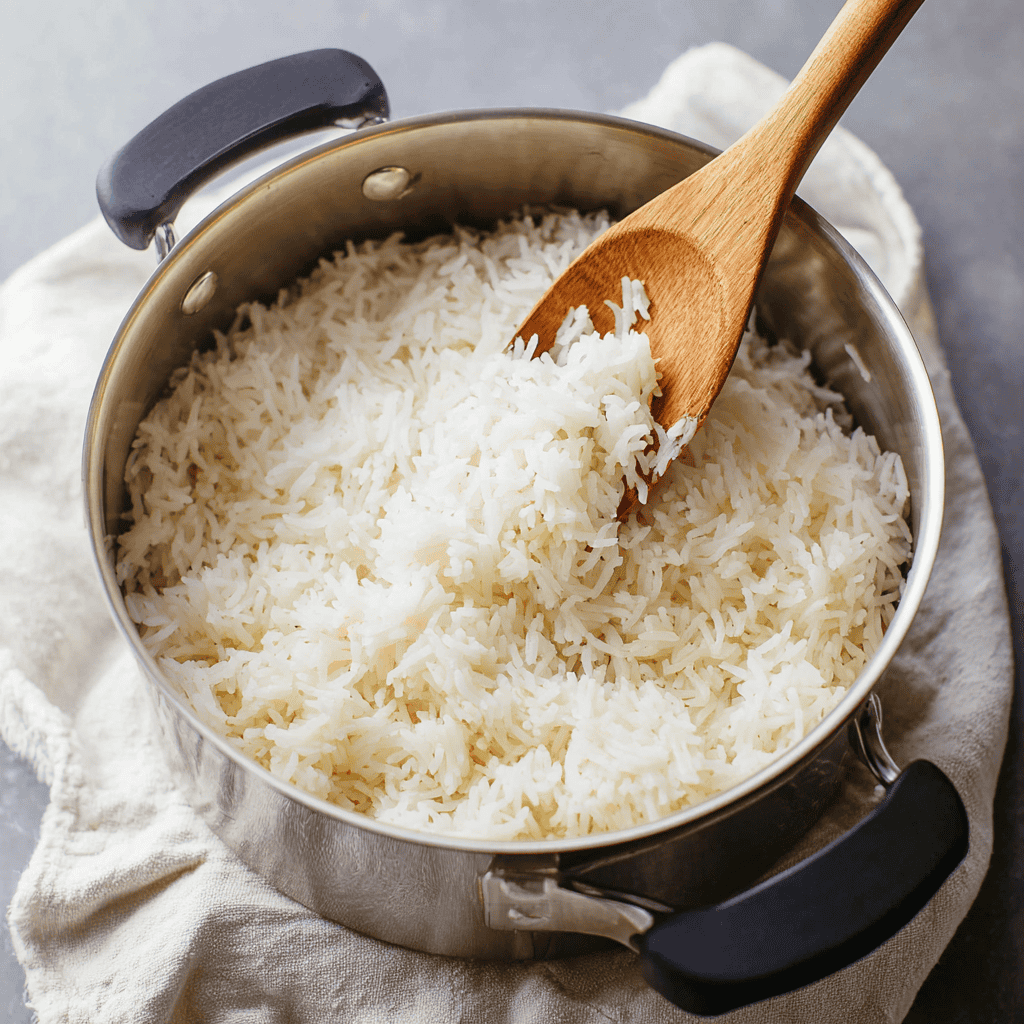
White rice (long-grain, basmati, or jasmine). Each has its own personality. Long-grain is classic and dependable; basmati is aromatic with slender, elegant grains; jasmine is tender with a gorgeous scent. Choose the one that matches your menu: basmati for spiced dishes, jasmine for Southeast Asian flavors, long-grain for everything else. I keep all three because…well, options are joy.
Water. This is where people get tangled. The usual stovetop ratio is 1 cup rice to 2 cups water for long-grain white. Basmati and jasmine are a touch more delicate; they’re happy around 1 cup rice to 1¾ cups water. If your rice is very new (freshly milled), you may need a smidge less water. If it’s older or very dry, a smidge more. You’ll adjust over time like a rice whisperer.
Salt (optional). A tiny pinch seasons the grains from the inside out. Skip if your dish has a salty sauce or if you’re watching sodium. If you cook in broth, check the label and dial back the salt.
Butter or oil (optional). One teaspoon adds a soft sheen and a hint of flavor. Butter leans rich and cozy, olive oil leans clean and savory. I use it when I want the rice to feel more like a side on its own rather than just a base.
Personal tips and brand quirks. I rinse in a fine-mesh strainer until the water runs mostly clear—about 30–60 seconds. For basmati, I like a 10–15-minute soak when I have time; the grains elongate like they’re doing yoga and cook up especially fluffy. If you’re cooking to support low calorie chicken meal prep, the plain-water method keeps calories tidy, and you can add flavor on the plate with herbs, citrus, or a punchy sauce.
Don’t do this. Don’t stir the rice while it simmers. That releases starch and invites stickiness. Don’t lift the lid during cooking; steam is your quiet worker bee. Don’t rush the rest—those five minutes are the difference between “fine” and “I could eat this by the bowl.”
How to Make It Step-by-Step
- Rinse the rice.
Pour your measured rice into a fine-mesh strainer. Rinse under cold water, swishing with your fingers, until the water runs mostly clear. You’ll notice the first cloudy rush fading to a gentle stream—that’s excess starch leaving the chat. The rice feels cooler, cleaner, almost squeaky under your fingertips. - Measure and combine.
Add the rinsed rice to a medium saucepan. Pour in the measured water (2 cups for standard long-grain; about 1¾ cups for basmati or jasmine). Add a pinch of salt and, if you like, a tiny bit of butter or oil. Give it one quick stir to make sure no grains are stuck to the bottom like clingy toddlers. - Bring to a boil.
Set the pan over medium-high heat. You’ll see small bubbles skirt the edges, then gather into a soft boil. The surface will look lively, not wild. The smell is simple and comforting—like warm grain and clean steam. - Cover and simmer.
The moment it reaches a gentle boil, reduce the heat to low and cover with a tight-fitting lid. You want a real simmer: the smallest bubbles popping underneath, hardly any movement on top. Set a timer for 18–20 minutes (long-grain) or about 15–18 minutes (jasmine/basmati). Don’t lift the lid. I know. It’s hard. Make tea. Scroll. Hide the lid from yourself if you must. - Listen for subtle cues.
Toward the end, the sound shifts from energetic bubbling to a quiet hiss, like rain on a window. That’s moisture finishing its job. When the timer rings, remove the pot from the heat but keep the lid on. - Let it rest.
Give the rice a 5-minute spa moment. This steaming period lets moisture redistribute evenly through the pot. It’s the secret to fluffy grains that separate like well-behaved cousins at a reunion. - Fluff and finish.
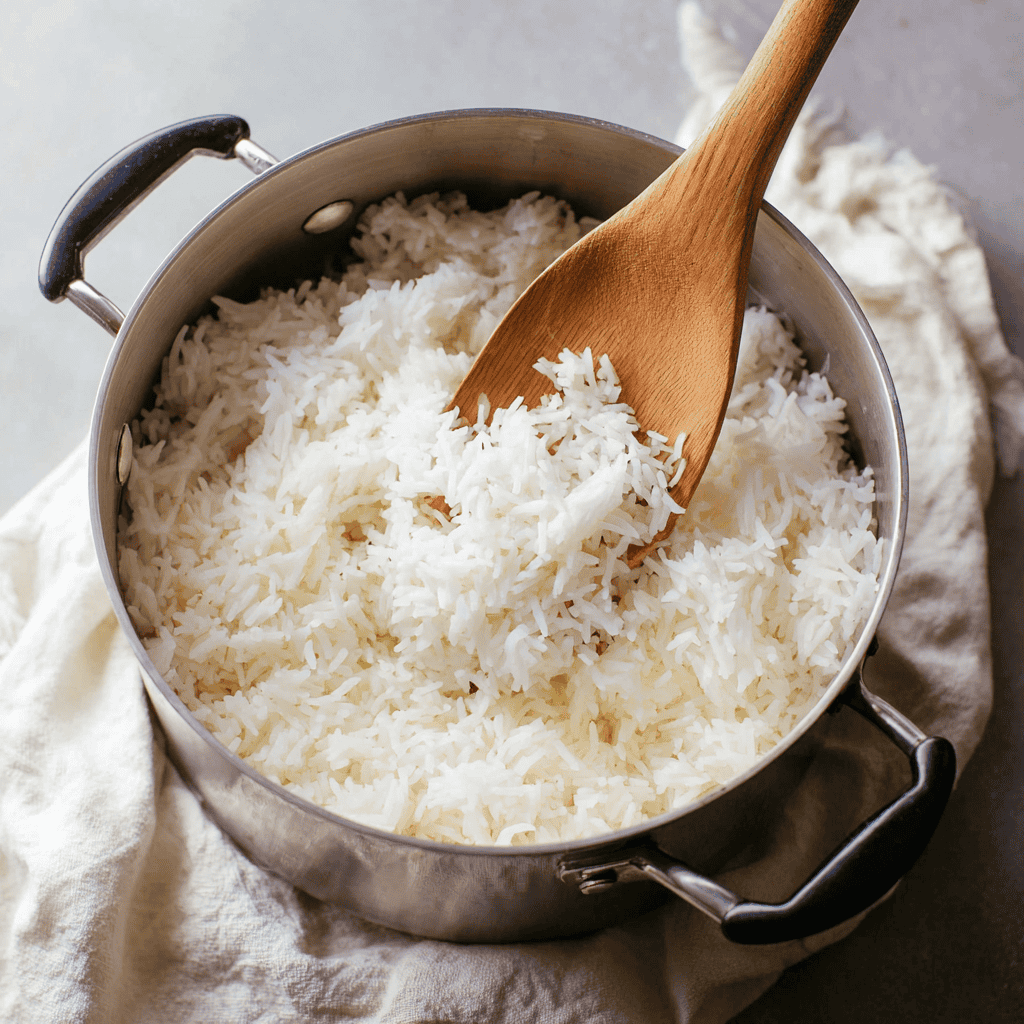
Lift the lid and inhale that gentle steam (careful—it’s hot). Use a fork to tease the grains apart from the edges toward the center. The texture will be tender but not wet, separate but not dry. Taste a spoonful. This is the simple wonder you’ll base so many meals on.
My learning curve (aka mishaps so you don’t repeat them). I once used a flimsy lid that trapped steam about as well as a screen door; the rice dried out in weird patches. Another time, I stirred while it cooked—hello gummy city. And then there was the “I’ll eyeball the water” phase that ended in crunchy confetti. The fix every time was the same: measure, simmer gently, and rest.
Encouraged improvisation. Add a smashed garlic clove and bay leaf at the start for fragrant, savory rice that makes best meals to prep feel fancy. Swap water for low-sodium vegetable or chicken broth to mimic healthy boxed meals depth without extra cost. Stir in finely chopped parsley and lemon zest after cooking for a sunshine finish. Or go coconut rice: sub half the water with light coconut milk and add a pinch of salt—dreamy with salmon or tofu.
Tips for Best Results
- Rinse until the water runs mostly clear to avoid sticky outcomes.
- Use the right ratio: 1:2 (rice to water) for long-grain, around 1:1.75 for jasmine/basmati.
- Trust a real simmer, not a boil. Vigorous bubbling can split grains.
- Keep the lid closed. Steam is doing precision work in there.
- Rest for five minutes, then fluff gently with a fork.
- If you’re aiming for best meal prep healthy, cool rice quickly on a sheet pan before storing so it stays fluffy in tomorrow’s bowl.
Ingredient Substitutions & Variations
- Brown rice. Use 1 cup rice to 2½ cups water; simmer 40–45 minutes, rest 10. Hearty and perfect for high protein pre made meals with beans or grilled chicken.
- Broth instead of water. Adds instant flavor for cheap meal plans for 2. Check salt levels and adjust.
- Herbed rice. Stir in chopped cilantro, parsley, or dill after cooking with a squeeze of lemon for bright, fresh energy.
- Citrus-scented. Zest of lime or orange folded in at the end makes bowls taste restaurant-level.
- Low-carb twist. If someone at your table follows a keto meal plan, pair mains with cauliflower rice for no prep keto meals while the rest enjoy the real deal.
- Pilaf style. Toast the rinsed, drained rice in a teaspoon of olive oil for 2–3 minutes before adding water for nutty depth.
Serving Suggestions
Serve rice as the cozy base under chicken and roasted broccoli for high protein high carb low fat meals. Spoon it next to spiced chickpeas, cucumber salad, and tahini for vegetarian bowls that feel like healthy comfort food. Tuck a scoop under grilled salmon with lemon and herbs for healthy meal plans for two. For breakfast, channel a lighter take on a full english breakfast: soft eggs, turkey sausages, mushrooms, tomatoes, and a spoon of warm rice—it works, trust me. Date night? Rice, sheet-pan veggies, and chicken thighs with a drizzle of balsamic glaze is simple, gorgeous, and absolutely counts as ready meals for 2 made at home.
Pairing Ideas (Drinks, Sides, etc.)
Iced tea with lemon is perfect with rice bowls; sparkling water with lime is refreshing with spicier stir-fries. Sides I love: roasted carrots with cumin, sautéed green beans with garlic, quick cucumber salad with dill, or a tangy cabbage slaw that wakes up the whole plate. When I’m aiming for best high protein frozen meals upgrades, I microwave the entrée and pile it on fresh hot rice, then add a sprinkle of herbs and chili flakes. Suddenly it tastes like takeout and not like Tuesday.
How to Store and Reheat Leftovers
Cool rice quickly before refrigerating. I spread it on a sheet pan for 10 minutes so steam escapes, then pack in airtight containers for up to 4 days. To reheat, sprinkle a tablespoon of water over the rice and microwave covered until hot, or re-steam on the stovetop with a splash of water and a lid. For meal prep microwave lunches, I portion rice in single-serving containers so I can add protein and veggies on the fly. If the rice seems dry, a dash of olive oil or a buttery pat while reheating brings it back to plush.
Make-Ahead and Freezer Tips
Cook a big batch on Sunday, cool completely, and freeze in flat, labeled zip-top bags. Press the rice into an even layer so it breaks apart easily. Freeze up to 1 month. To reheat, smack the bag on the counter (oddly satisfying), then warm in a skillet with a splash of water or microwave covered until steaming. This is a lifesaver for meals for 2 delivered–energy at home when you forgot to make a side.
Common Mistakes to Avoid
- Not rinsing. Extra surface starch = clumps.
- Wrong ratio. Too much water leads to mush; too little to crunchy centers.
- Boiling hard. Rough movement breaks grains; simmer gently.
- Lid lifting. It’s tempting. Resist. Steam loss = uneven cooking.
- Skipping the rest. The five-minute steam is where fluffiness happens.
Frequently Asked Questions (FAQ)
Do I really have to rinse rice?
Yes. Rinsing removes surface starch so the cooked grains separate instead of sticking together. It’s the difference between fluffy and gummy.
What ratio should I use?
For long-grain white rice, 1 cup rice to 2 cups water. For jasmine or basmati, start with about 1¾ cups water per cup of rice. Adjust slightly based on brand and preference.
Can I cook rice without a lid?
You need a lid to trap steam and cook evenly. If your lid isn’t tight, lay a piece of parchment under it to help seal.
Why is my rice mushy?
Too much water, overcooking, or stirring during simmering can make rice mushy. Stick to the ratio, keep the simmer gentle, and hands off during cooking.
Can I use a rice cooker or Instant Pot?
Absolutely. Follow the manufacturer’s rice setting and ratios. The stovetop method here is for when you want complete control without extra appliances.
Can I freeze cooked rice?
Yes—cool completely, pack flat, and freeze up to a month. Reheat with a splash of water until steaming.
What type of rice works best for fried rice?
Day-old long-grain rice. Chill it uncovered for a bit so it dries slightly, then fry it hot for that perfect chewy-crisp vibe.
Can I use broth instead of water?
Yes, it adds flavor. If your broth is salty, reduce added salt.
How do I make rice more nutritious?
Stir in peas, corn, chopped spinach, or edamame at the end for color and fiber. Pair with lean proteins and veggies for best meal prep healthy bowls.
Cooking Tools You’ll Need
- Medium saucepan with a tight-fitting lid
- Fine-mesh strainer for rinsing
- Measuring cups and spoons
- Fork for fluffing
- Sheet pan for quick cooling if you’re meal-prepping
Final Thoughts
Rice is the quiet hero of my kitchen. It rescues me on nights when the chicken needs a partner, when leftover veggies want a new life, when I’m reaching for balance in my protein eating plan and building bowls that actually satisfy. It makes cheap meal plans for 2 feel generous. It keeps me calm when dinner needs to be on the table now. And yes, I still have the occasional “oops” moment, but the method here has turned my rice luck around—boil, simmer, rest, fluff, exhale.
Make it once, then make it yours. Add bay leaves or lime zest. Switch to basmati for curry night, jasmine for stir-fry, long-grain for everything else. Tuck portions into the freezer, and let future-you high-five present-you. Because when you master rice, you unlock a thousand meals—from cozy bowls to ready made protein meals glow-ups, from date-night plates to no prep healthy lunches that taste like you actually tried.
If you enjoyed this recipe, don’t forget to save it on Pinterest or share it with a friend!
How to Cook Rice (Fluffy Every Time)
Ingredients
- 1 cup long-grain white rice (or basmati/jasmine)
- 2 cups water (use about 1¾ cups for basmati or jasmine)
- 1/2 teaspoon salt (optional)
- 1 tablespoon butter or oil (optional)
Instructions
- Place rice in a fine-mesh strainer and rinse under cold water, swishing with your hand, until the water runs mostly clear to remove excess starch.
- Add the rinsed rice to a medium saucepan with measured water. Stir in salt and butter or oil if using.
- Bring to a boil over medium-high heat. Once boiling, reduce heat to low, cover with a tight-fitting lid, and simmer gently for 18–20 minutes (about 15–18 minutes for jasmine/basmati). Do not lift the lid.
- Remove from heat and let the rice rest, covered, for 5 minutes to finish steaming.
- Uncover and fluff gently with a fork, separating the grains. Serve warm.
- Storage/Reheat: Cool completely; refrigerate in an airtight container up to 4 days. Reheat with a splash of water, covered, in the microwave or on the stovetop until hot.