Introduction
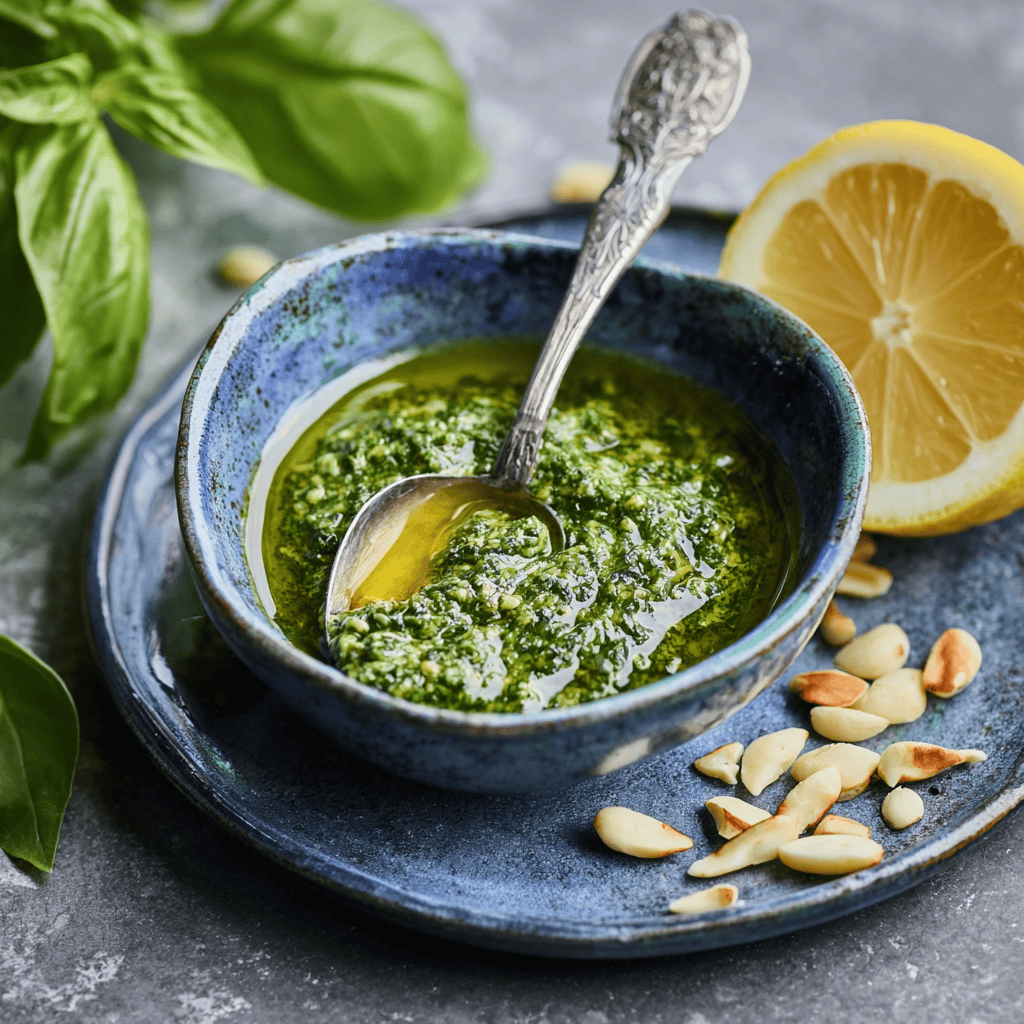
The first time I made basil pesto, I blitzed the basil so long the motor smelled like it needed therapy and my fresh, bright sauce turned a sad swamp brown. Oops. These days, I take a softer approach, and this little green miracle shows up on everything from pasta to egg toast to last-minute chicken bowls. It’s my secret weapon for easy weeknight dinners, the kind that feel like healthy comfort food without trying too hard. It leans fresh, fast, and flexible—perfect for quick family meals and those “what’s left in the fridge?” moments.
There’s a specific summer memory baked into this recipe for me. A tiny apartment, string lights draped over the balcony, and a basil plant so dramatic it drooped if I even looked at it funny. I’d snip leaves after work, rinse them under cold water, and watch them bead up like they were wearing jewelry. The kitchen smelled like a garden—peppery, sweet, a little floral. I tossed pesto with hot pasta, added lemon zest, and served it with grilled chicken when I was nudging my plate toward high protein meals. If you’re playing with a protein meal plan or building best meals to prep for the week, a jar of pesto transforms leftovers into something you actually want to eat.
What I love most is how basil pesto says “you’re doing great” even when the day was chaos. A spoonful wakes up roasted veggies. A drizzle makes a bowl of grains feel fancy. And with a few tiny tricks (hello, cold bowl and gentle pulses), you get emerald-green sauce that stays vibrant. It’s the flavor glow-up your dinners deserve—budget-friendly, lightning fast, and oh-so versatile for budget-friendly recipes and meal prep microwave lunches. To be real, pesto is my lazy genius move. Ten minutes, one food processor, and dinner smiles back.
Why You’ll Love This Recipe
- It’s fast. Ten minutes from craving to spoon-licking. Weeknight magic for easy weeknight dinners.
- It’s flexible. Toss with pasta, swipe on sandwiches, drizzle over bowls, or dollop on eggs.
- It upgrades leftovers. Yesterday’s chicken becomes today’s “wow” with one spoonful—hello low calorie chicken meal prep.
- It’s customizable. Change the nuts, tweak the garlic, add lemon, or go dairy-free.
- It’s meal-prep friendly. Stash pesto “ice cubes” for quick wins, ideal for best dinner prep meals.
- It tastes like a hug in a bowl—bright, herby, and deeply comforting.
What Makes This Recipe Special?
We keep the texture plush and silky by pulsing the blades instead of over-processing, then drizzling in oil to emulsify. A whisper of lemon juice lifts the basil’s perfume without turning the sauce sour. Lightly toasting nuts (optional but recommended) brings out their buttery sweetness and adds structure so your pesto clings to pasta instead of sinking to the bottom. I also use a chilled bowl or short rest in the fridge to keep the vivid color from dulling—tiny move, big payoff.
There’s room to play. Swap pine nuts for walnuts or almonds. Use nutritional yeast in place of cheese for a dairy-free spin that still fits your best meal prep healthy goals. Pair with grilled chicken or chickpeas to fit high protein high carb low fat meals or high carb high protein low fat meals. It’s that one sauce that flexes with you, whether you’re winging dinner or mapping a protein eating plan for the week.
Ingredients
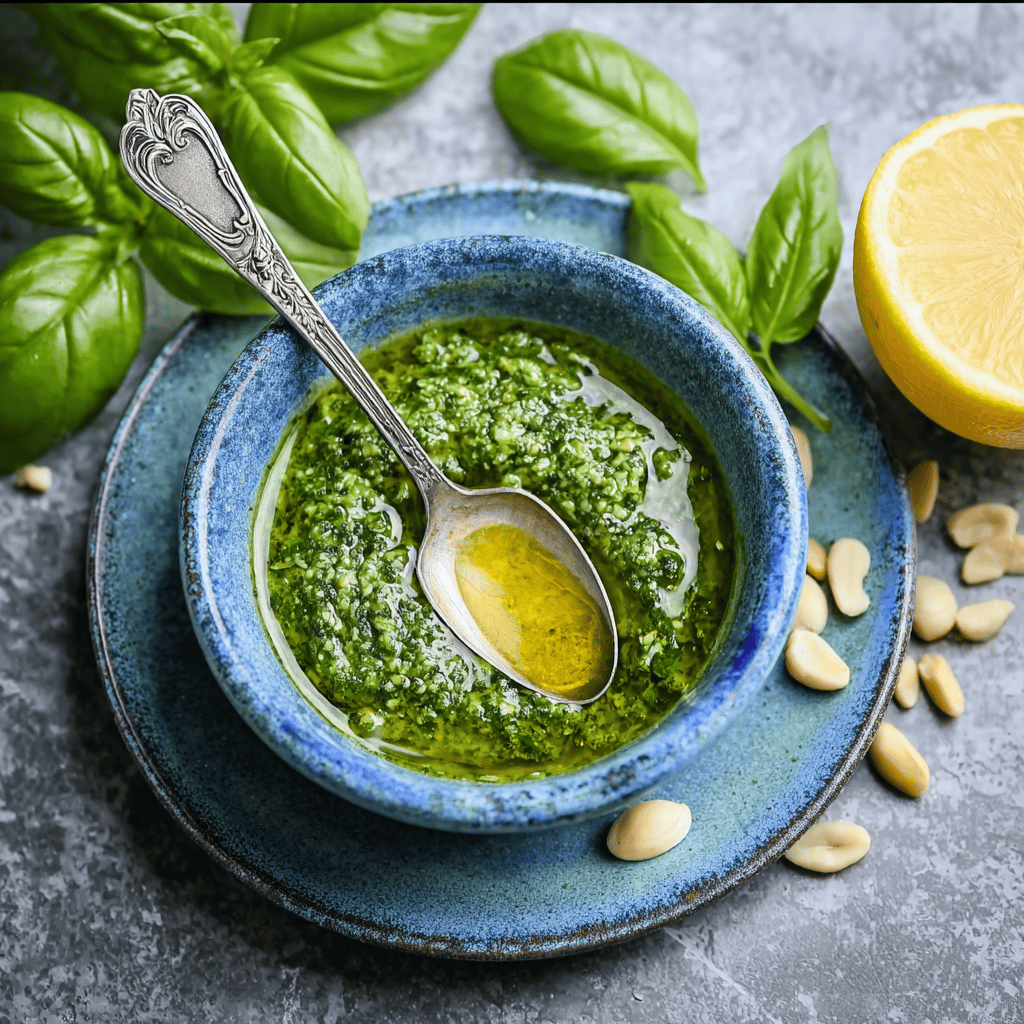
- 2 cups fresh basil leaves, packed and rinsed well
- 1/3 cup pine nuts (or walnuts/almonds)
- 2 cloves garlic, roughly chopped
- 1/2 cup freshly grated Parmesan cheese
- 1/2 cup extra-virgin olive oil, plus more as needed
- 1–2 teaspoons fresh lemon juice, optional
- Fine sea salt and freshly ground black pepper, to taste
Basil is the soul here—go for leaves that look glossy and smell peppery-sweet. If they’re wilting, perk them in cool water and spin dry thoroughly; water is the enemy of emulsions and can mute flavor. Pine nuts are classic and give you that luxurious, buttery depth, but walnuts bring faint bitterness that balances richness, and almonds offer a clean, sweet crunch. Lightly toast any nut for 2–3 minutes in a dry skillet until fragrant, then cool completely to protect the pesto’s color.
Garlic pulls everything forward. Two cloves give friendly warmth; three is “I love garlic and I mean it.” Parmesan adds salty, savory backbone and helps thicken the sauce so it hugs noodles and proteins. If you’re avoiding dairy, nutritional yeast brings a nutty, cheesy vibe that keeps this pesto ready for vegan low calorie meal plan days. Extra-virgin olive oil should taste good on its own—peppery or fruity styles both work—because you’ll taste it.
Lemon juice isn’t traditional everywhere, but a teaspoon or two brightens the basil and helps keep the color lively. Salt and black pepper sharpen all the edges and make the basil pop. Pro tip: keep everything just a bit cool—chilled nuts, a cool processor bowl—so the basil stays green and the sauce stays fresh. Don’t do this: overfill the processor, let the blades heat up, or add water to “thin it out.” If you want looser pesto, add a splash more oil or an extra teaspoon of lemon juice instead.
How to Make It Step-by-Step
- Prep the green gold. Rinse and dry the basil thoroughly. I roll leaves in a clean kitchen towel and gently press—no bruising. Any leftover water can dilute flavor and darken the color.
- Toast (optional, but chef’s kiss). In a small dry skillet over medium heat, toast the pine nuts for 2–3 minutes, tossing often. You’ll smell buttered popcorn and see a little golden color. Pull them off the heat and let them cool fully. I once rushed this step and melted the basil with warm nuts—instant color fade. Patience pays.
- Pulse the aromatics. Add cooled nuts and garlic to the food processor. Pulse 6–8 times until finely chopped, like tiny pebbles. We’re creating texture so the pesto has bite and body.
- Add basil and cheese. Toss in the basil and grated Parmesan. Pulse again in short bursts. The leaves should look finely chopped, not pulverized. If you run the machine non-stop, heat builds and you’ll chase that green the rest of the night. Been there.
- Stream in the oil. With the processor running on low, slowly drizzle in the olive oil. You’ll watch the mixture relax into a glossy, spoonable sauce. Scrape the bowl once or twice so no leafy bits hide under the blades. Keep an eye on thickness—this should fall off a spoon, not pour like soup.
- Season and brighten. Add salt and pepper to taste, plus 1–2 teaspoons lemon juice if you like your pesto extra twinkly. Pulse just to combine. Taste again. You want a balanced chorus: basil upfront, garlic present but not bossy, nuttiness rounding the corners, and a savory finish from the cheese.
- Adjust and personalize. If it’s too thick, add a tablespoon more oil. If it’s “garlic-loud,” balance with a pinch more Parmesan or a few extra basil leaves. For a dairy-free version that still plays well with no prep healthy lunches, replace Parmesan with 2–3 tablespoons nutritional yeast and a tiny extra pinch of salt.
- Serve or store. Spoon into a clean jar and smooth the top. If storing, cover with a thin layer of olive oil to protect from air. It’ll keep in the fridge up to 5 days, or freeze in small portions for fast grabs that make best meal prep plans feel effortless.
- Bonus pasta moment. If you’re tossing with pasta, reserve a mug of the starchy cooking water. Off the heat, add pesto to the hot pasta with splashes of that water to create a glossy sauce that clings to every curve. This is how restaurant bowls happen in your kitchen—ideal for ready made protein meals upgrades with grilled chicken or beans.
- Tiny rescue trick. If your pesto starts to brown at the surface, stir and top with fresh oil again. If you accidentally over-garlic (guilty), add a pinch of sugar or a squeeze of lemon to soften the edges. It’s forgiving, promise.
Tips for Best Results
- Keep ingredients cool. Chilled nuts and a cool processor help preserve that bright green color.
- Pulse, don’t grind. Short bursts prevent heat buildup and keep a fresh, delicate flavor.
- Balance the garlic. Start with two cloves; add more after a taste test so it suits quick family meals.
- Emulsify slowly. Stream in the oil for a creamy, clingy texture that elevates best high protein ready meals.
- Season at the end. Cheese is salty—wait to add salt until everything’s blended.
- Protect from air. Smooth the top and cover with oil before chilling or freezing to keep it vibrant.
Ingredient Substitutions & Variations
- Nut-Free: Use sunflower seeds or pumpkin seeds; they’re toasty, budget-friendly, and perfect for best meal prep healthy.
- Dairy-Free: Skip Parmesan and add 2–3 tablespoons nutritional yeast for a savory, cheesy vibe.
- Greens Swap: Try arugula for peppery bite, spinach for mild sweetness, or kale for sturdiness in no prep keto meals.
- Citrus Twist: Lemon juice is classic; lime works in a pinch and pairs well with grilled shrimp or bright veggie bowls.
- Spicy Pesto: Add red pepper flakes or a tiny fresh jalapeño for a mellow burn that wakes up meal planning chicken.
- Extra Creamy: Blend in a tablespoon of ricotta or Greek yogurt for a plush finish that plays nice with high macro meals.
Serving Suggestions
Swirl with warm pasta and a splash of starchy water for silky, restaurant-style bowls. Spoon over grilled chicken thighs or chickpeas to lean into high protein microwave meals without breaking a sweat. Drizzle on roasted potatoes, spread on toast with a jammy egg, or dollop over tomato soup for healthy eating for two nights.
For date-night vibes, use pesto as a pizza base and top with mozzarella, cherry tomatoes, and arugula. Build grain bowls with quinoa, cucumbers, and roasted peppers for good meal prep plans. If you’re assembling ready meals for 2 at home, portion pesto into two jars so it’s grab-and-go.
Pairing Ideas (Drinks, Sides, etc.)
- Drinks: Sparkling water with lemon, basil lemonade, iced tea with a squeeze of citrus, or a cucumber-mint mocktail.
- Sides: Simple green salad with lemon vinaigrette, roasted asparagus, balsamic-glazed tomatoes, or grilled zucchini.
- Carbs & Crunch: Warm ciabatta brushed with olive oil, garlic-rubbed sourdough toast, or crispy roasted potatoes.
- Protein Boosts: Grilled chicken, pan-seared salmon, broiled shrimp, or marinated tofu—great for best high protein frozen meals makeovers.
- Dessert Finish: Lemon sorbet or fresh berries to keep the palate bright.
How to Store and Reheat Leftovers
Spoon pesto into a clean jar, smooth the surface, and pour a thin seal of olive oil on top. Press a piece of parchment or plastic wrap directly onto the surface for extra protection. Refrigerate up to 5 days. For freezing, portion into ice cube trays, freeze solid, then transfer to a freezer bag—perfect for premade lunch meals or last-minute pasta.
No real “reheating” needed. Let pesto sit at room temp for 20–30 minutes, then stir. If you’re dressing hot pasta, the warmth of the noodles will loosen the sauce. Avoid simmering pesto on the stove; heat can dull the basil and split the emulsion.
Make-Ahead and Freezer Tips
Make a double batch and freeze half for future best meals to prep. Freeze in tablespoon portions so you can thaw just what you need. To thaw, place a cube in a bowl while your pasta cooks, then stir with a splash of starchy water. If the color softens after thawing, a teaspoon of fresh lemon juice perks it right up.
Common Mistakes to Avoid
- Over-processing. Constant blending heats the basil and turns the color muddy. Pulse instead.
- Adding water. It dilutes flavor and can break the emulsion; use more oil or lemon to thin.
- Warm ingredients. Hot nuts or a warm bowl fade the color fast. Cool them first.
- Skipping the taste test. Balance salt, acid, and garlic at the end for restaurant-level flavor.
- Saucing on the heat. Toss pesto off-heat with pasta water for lush, glossy coating.
Frequently Asked Questions (FAQ)
Can I make pesto without a food processor?
Yes. A mortar and pestle gives incredible texture and aroma. Mince the basil and garlic first, then grind with nuts, cheese, and oil.
What if my pesto turns a bit brown?
Stir, add a thin oil cap, and chill. A teaspoon of lemon juice helps. Next time, keep ingredients cooler and pulse gently.
Which pasta shape works best?
Anything with nooks—fusilli, gemelli, farfalle—catches pesto beautifully. Gnocchi is dreamy, too, especially when you want healthy comfort food fast.
Is pesto good for meal prep?
Absolutely. Freeze in small portions for best dinner prep meals, and use to upgrade grains, veggies, or low calorie high nutrition meals.
How can I make it fit my eating goals?
Pair with grilled chicken or tofu for high protein keto meal plan days, toss with whole-grain pasta for high protein high carb low fat meals, or spoon over zucchini noodles for lighter bowls.
Cooking Tools You’ll Need
- Food processor or mortar and pestle
- Microplane or fine grater for Parmesan
- Measuring cups and spoons
- Small skillet for toasting nuts
- Spatula for scraping down the bowl
- Clean jar with lid for storing
Final Thoughts
I love that pesto can be both the star and the backup singer. Some nights it’s the headliner on a steamy bowl of pasta; other nights it’s the quick drizzle that turns leftover chicken, quinoa, and roasted veggies into a dinner I’d happily serve guests. It fits best meal prep plans, it saves cheap meal plans for 2 style nights without feeling cheap, and it brings that fresh, green “I made something special” energy even when you barely had time. Honestly, it tastes like time off in a jar.
Make your batch once and watch it carry you through the week—sandwiches, bowls, salads, eggs, you name it. Then DM me your versions, because I’m nosy in the best way and always collecting new twists. If you enjoyed this recipe, don’t forget to save it on Pinterest or share it with a friend!
Homemade Basil Pesto
Ingredients
- 2 cups fresh basil leaves, packed
- 1/3 cup pine nuts (or walnuts/almonds)
- 2 cloves garlic, roughly chopped
- 1/2 cup freshly grated Parmesan cheese
- 1/2 cup extra-virgin olive oil
- 1-2 teaspoons fresh lemon juice (optional)
- fine sea salt and black pepper, to taste
Instructions
- If desired, lightly toast the nuts in a dry skillet over medium heat for 2–3 minutes until fragrant. Cool completely.
- Add the cooled nuts and garlic to a food processor and pulse until finely chopped.
- Add basil leaves and Parmesan; pulse in short bursts until the basil is finely chopped.
- With the processor running, slowly drizzle in the olive oil until the mixture becomes smooth and emulsified. Scrape down the sides as needed.
- Season with salt, black pepper, and lemon juice (if using); pulse to combine. Taste and adjust seasoning or oil for desired consistency.
- Use immediately or transfer to an airtight container. Smooth the surface and cover with a thin layer of olive oil. Refrigerate up to 5 days or freeze in small portions up to 3 months.