Introduction
The first time I made hoisin sauce at home, I was standing in my kitchen in socks, hair up, and a skillet heating like a tiny sun. I had chicken marinating, veggies waiting, and one problem: the store-bought hoisin bottle was mysteriously empty. Classic. I stared at my pantry, saw soy sauce, peanut butter, garlic, vinegar, a swirl of sesame oil, and thought—why not? Three whisk swishes later, the whole kitchen smelled savory-sweet and a little nutty, and I was pretty sure I’d never go back. This is the kind of five-minute fix that rescues easy weeknight dinners, supercharges quick family meals, and makes even leftovers feel exciting. It’s cozy, bold, and a little bit sticky—in the best way.
I love that homemade hoisin is both effortless and impressive. The texture is glossy and thick enough to cling to noodles; the flavor is layered but friendly—sweet, salty, tangy, umami, and, if you want, a little heat. It’s the quiet hero that turns a pan of vegetables and halal chicken into something takeout-level without leaving your kitchen. To be real, it’s also perfect when I’m leaning on budget-friendly recipes and need one sauce that makes everything taste like I tried harder than I did.
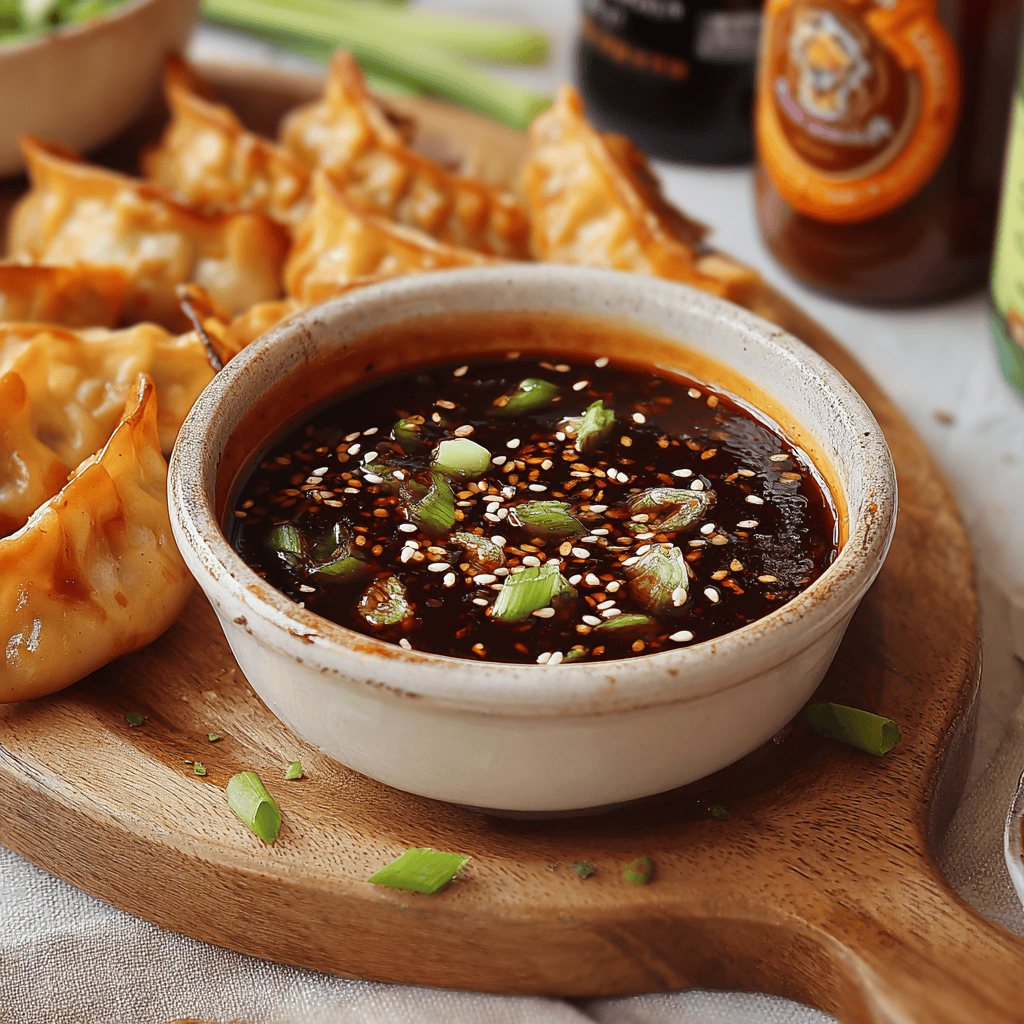
Smell-wise, expect roasted peanut aroma (or tahini’s toasty sesame vibe), a garlicky whisper, and that irresistible savory perfume from soy. Taste-wise, think balanced: honey or maple rounds out the salt, rice vinegar keeps things bright, and Chinese five spice—if you add it—brings this elegant, warm note that makes people ask, “What is that?” I’ve spooned it on lettuce wraps, drizzled it over rice bowls, and whisked in a little water for a thinner drizzle on grilled veggies. It plays nice with meal planning chicken, boosts high macro meals, and adds restaurant-level flavor to bowls built around high protein meals or even low calorie high nutrition meals.
And since we’re keeping it halal, there’s no rice wine here—just rice vinegar or white vinegar—plus halal-certified soy sauce or tamari. Everything is pantry-friendly and flexible. Honestly, the only “hard” part is not eating it off the spoon while the skillet preheats.
Why You’ll Love This Recipe
- Five minutes, zero cooking. You whisk. You taste. You win at best dinner prep meals without even turning on the stove.
- Pantry-only, flexible ingredients. Soy or tamari, peanut butter or tahini, honey or maple—you’ve got options that fit best meal prep plans and dietary needs.
- Restaurant flavor at home. Big umami energy, perfect for noodles, stir-fries, marinades, or dipping—ideal with ready made protein meals when you want a flavor upgrade.
- Customizable sweetness, tang, and heat. Make it mild for kids or spicy for game night. It adapts to healthy meal plans for two or solo no prep healthy lunches.
- Halal-friendly. No wine, no pork derivatives, and easy to pair with halal chicken, beef, tofu, or veggies.
- Great for meal prep. Keeps well in the fridge and freezes in cubes—handy when you’re doing low calorie chicken meal prep or batching best meals to prep for the week.
What Makes This Recipe Special?
Balance and texture. Hoisin should be thick enough to paint onto food but smooth enough to whisk in seconds. Peanut butter creates body and a satiny finish, while soy brings the savory backbone. Rice vinegar brightens everything, sesame oil adds a toasty note, and garlic makes the whole thing smell like a stir-fry’s opening scene. Add a dash of Chinese five spice and suddenly it tastes “finished,” like a sauce that’s been simmering all afternoon when it actually took you less time than heating the pan.
Also special: control. Store-bought hoisin can be too sweet or oddly perfumed. Here, you call the shots—more maple for sweetness, more vinegar for tang, extra chili for fire, or a splash of water to thin for drizzle. It’s a power move for protein eating plan weeks and a flavor booster for high protein high carb low fat meals (hello, rice bowls), high carb high protein low fat meals, and even high protein microwave meals that just need a glossy finish.
Ingredients
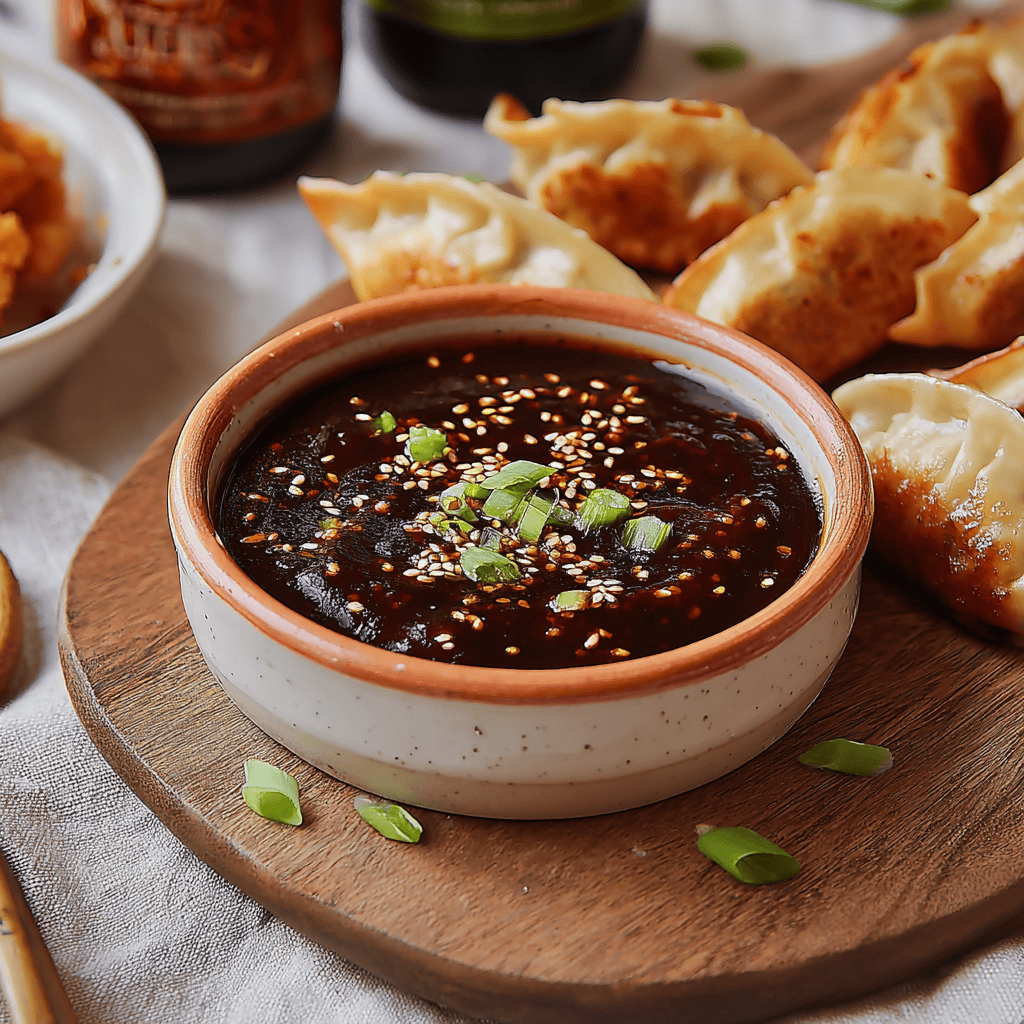
- Soy sauce (or tamari for gluten-free): The salty, umami backbone. Choose a halal-certified brand; if you’re sensitive to wheat or tracking macros, tamari or coconut aminos works well.
- Peanut butter (or tahini for nut-free): Creates body and that signature cling. Peanut butter leans roasty-sweet; tahini leans toasty-sesame. Both deliver a silky texture.
- Rice vinegar or white vinegar: Brightens and balances sweetness without alcohol. Use rice vinegar labeled simply “rice vinegar,” not “rice wine vinegar,” to keep it halal.
- Honey or maple syrup: Rounds out the salt and gives that shiny glaze effect. Maple keeps it vegan-friendly and fits nicely with best vegan meal prep.
- Garlic, minced or grated: A little punch that wakes up the sauce. Fresh is lovely; garlic powder works if that’s what’s on hand.
- Sesame oil: Just a drizzle for nutty aroma—go easy; it’s potent.
- Sriracha or chili sauce (optional): For gentle heat and color. Adjust to your crew.
- Chinese five spice powder (optional but recommended): Warm, aromatic blend (star anise, fennel, cinnamon, clove, Sichuan pepper) that makes the sauce taste “real-deal.”
- Water (as needed): For thinning to brush-on or pourable consistency.
Personal tips: I like a 1:1 ratio of soy to peanut butter to start, then sweeten and acidify to taste. Smooth peanut butter blends easiest. If I’m building bowls for no prep healthy lunches, I’ll thin the sauce with water so it drizzles. If I want a sticky glaze for skewers, I leave it thick.
Don’t do this: Don’t add too much sesame oil—it can overpower. Don’t skip tasting after each adjustment; a quarter-teaspoon of vinegar can shift the whole sauce. And if you use tahini, whisk slowly; it thickens quickly and may need an extra splash of water.
How to Make It Step-by-Step
- Set up the whisk zone. Grab a medium bowl and a small whisk or fork. It’s a five-minute situation, so I don’t even clear the counter—just enough space for the bowl, a spoon to taste, and a tiny victory dance.
- Whisk the base. Add soy (or tamari), peanut butter (or tahini), honey or maple, rice vinegar, minced garlic, and sesame oil. Start whisking slowly. At first it looks like it won’t come together—sticky blobs, streaks, little pools. Keep going. The peanut butter relaxes, the soy slides in, and suddenly it turns glossy and smooth.
- Season the vibe. Sprinkle in Chinese five spice and a little sriracha if you want heat. Whisk again. Lift the whisk and let the sauce fall back into the bowl. It should ribbon slowly, not glop in chunks.
- Taste and tune. Dip a spoon. Think about balance. If it’s too salty, add a touch more sweet or a tiny splash of water. Too sweet? A few drops of vinegar brighten it. Not enough oomph? Another pinch of five spice or a whisper of garlic.
- Choose your thickness. For dipping spring rolls or brushing onto baked tofu, I leave it thick and glossy. For drizzling on rice bowls and salad-y situations (I see you, healthy boxed meals crowd), whisk in water 1 teaspoon at a time until it lazily runs off the spoon.
- Use or store. Pour what you need into a small bowl. Transfer the rest to a jar and refrigerate. The sauce will firm up slightly in the fridge; let it stand at room temp for a few minutes or whisk in a spoon of water if needed.
My oops moments (so you don’t repeat them): I once poured in sesame oil like it was olive oil. Do not recommend. The fix was more peanut butter and more maple. Another time I used “rice wine vinegar” before reading the label—now I keep a bottle that’s clearly marked “rice vinegar” for peace of mind. And yes, I’ve dropped the whisk and Jackson Pollocked the backsplash. Hoisin polka dots are a look.
Encourage improvisation: Add grated ginger for brightness. Stir in a tiny splash of pomegranate molasses for tart depth. Use tahini + a little extra sesame oil for a full-sesame version that loves roasted vegetables. You can even whisk in a teaspoon of cocoa powder (trust me) for color and a subtle bitter note that balances sweetness in glazes.
Tips for Best Results
- Whisk slowly, then briskly. Start slow to combine fat and liquid, then go fast to smooth it out.
- Measure sweetener last. It’s easier to calibrate salt and tang first, then add sweetness.
- Use warm ingredients. Peanut butter blends more easily if it isn’t fridge-cold.
- Thin with water, not oil. Water gives shine without greasiness and won’t overwhelm the sesame aroma.
- Taste with what you’ll serve. Dip a piece of roasted veg or a corner of tofu. Real food gives better feedback than a spoon.
- Batch it. Double the recipe and freeze portions; it saves best meal prep healthy time later.
Ingredient Substitutions & Variations
- Gluten-free: Use tamari or coconut aminos. Adjust sweetness since aminos are naturally sweeter.
- Nut-free: Tahini or sunflower seed butter. Tahini is toasty and sophisticated; sunflower seed butter is milder.
- Vegan: Maple syrup or agave instead of honey.
- Spicy: Double the sriracha or add chili flakes. Great for jazzing up best high protein ready meals.
- Smoky: A pinch of smoked paprika or a literal drop of liquid smoke for BBQ-style glazes.
- Gingery: Fresh grated ginger wakes up stir-fries and noodles.
- Citrus twist: A squeeze of fresh orange juice for glaze-y chicken skewers on protein meal plan nights.
- Extra-savory: Whisk in a teaspoon of miso for deeper umami if you keep it on hand.
Serving Suggestions
This sauce is a shape-shifter and a vibe-maker. Brush it on halal chicken thighs before roasting. Toss it with tofu cubes and bake until sticky. Spoon it over steamed rice with cucumbers, scallions, and sesame for a quick bowl. Stir it into noodles with veggies for a fast dinner that qualifies as easy weeknight dinners and looks Pinterest-pretty. I love a drizzle on lettuce wraps, a little bowl for spring rolls, or a swipe on veggie burgers when I’m leaning into healthy eating for two or testing a vegan low calorie meal plan. It even turns roasted Brussels sprouts into a snack that disappears faster than fries.
Pairing Ideas (Drinks, Sides, etc.)
- Drinks: Sparkling water with lime, chilled jasmine tea, or ginger lemonade to balance the savory-sweet sauce.
- Sides: Sesame cucumber salad, steamed broccoli with toasted sesame seeds, or garlic green beans.
- Starches: Jasmine rice, brown rice, or chewy udon noodles. Cauliflower rice works when you’re steering toward a keto meal plan or no prep keto meals.
- Proteins: Halal chicken skewers, grilled shrimp, baked salmon, or crispy tofu. Great over reheated rotisserie chicken when you’re navigating meal prep microwave lunches or premade lunch meals.
How to Store and Reheat Leftovers
Spoon the sauce into a clean jar and refrigerate for up to two weeks. It thickens slightly as it chills, so whisk in a teaspoon of water to loosen before using. There’s no reheating required—just stir—but you can warm it gently if you want a pourable glaze. For long-term planning (hi, best meal prep plans), freeze in ice cube trays, then pop the cubes into a zip-top bag. Thaw in the fridge or stir a cube straight into a hot skillet to coat a pan of veggies or halal chicken. Separation after a few days is normal—shake or whisk and you’re back in business.
Make-Ahead and Freezer Tips
If you’re building a sauce bar for the week, make a double batch. Store half in the fridge and freeze the rest in 1–2 tablespoon portions. Label the bag (future you will be grateful). For portable lunches and healthy boxed meals, tuck a little container of hoisin in the corner and mix it into your bowl at lunchtime so it tastes freshly made. Frozen cubes keep three months; thawed sauce keeps a week or two. No reheating necessary—stir and smile.
Common Mistakes to Avoid
- Using rice wine vinegar labeled with “wine.” Choose plain rice vinegar or white vinegar to keep it halal.
- Overdoing sesame oil. It’s strong—start with ½ teaspoon and add to taste.
- Skipping the taste-test. A sauce this simple depends on balance. Taste, adjust, repeat.
- Thinning with too much water at once. Add slowly so you don’t end up with soup.
- Forgetting to label the jar. Ask me how many “mystery sauces” I’ve had in the fridge. Date it and save yourself the guesswork.
Frequently Asked Questions (FAQ)
What does hoisin sauce taste like?
Sweet, salty, a little tangy, and big on umami. If you add five spice, it has a warm, aromatic finish that feels restaurant-level.
Is hoisin the same as soy sauce?
No—soy sauce is thin and purely salty-savory. Hoisin is thick, lightly sweet, and complex. They’re teammates, not twins.
Can I make it gluten-free?
Yes. Use tamari or coconut aminos and adjust sweetness to taste. It’s a great option if you’re juggling good meal prep plans for different diets.
Is hoisin sauce spicy?
Only if you want it to be. Add sriracha or chili flakes for kick, or keep it mild for kids and quick family meals.
Can I use it as a marinade?
Absolutely. Slather it on halal chicken, tofu, or veggies. For grilling, thin slightly with water so it doesn’t burn before the food cooks through.
How long does it last?
Up to two weeks in the fridge, three months in the freezer. Shake or whisk if it separates.
What can I use it with?
Stir-fries, noodle bowls, dumpling dipping, lettuce wraps, and even as a burger spread. It’s magical with air-fried tofu and roasted carrots—an easy win for best meal prep healthy.
Cooking Tools You’ll Need
- Medium mixing bowl
- Small whisk or sturdy fork
- Measuring spoons
- Jar with tight lid for storage
- Microplane or garlic press (if using fresh garlic)
Final Thoughts
This Homemade Hoisin Sauce is tiny-effort, big pay-off cooking—the kind that makes a Tuesday feel a little celebratory. I love it for nights when I’m tired but still want a plate that feels intentional. It plays beautifully with halal proteins, cuddles up to bowls built for high protein ready made meals, and can turn the odds and ends in your fridge into something worthy of a happy dance. To be real, once you start whisking this up at home, that store-bought bottle becomes Plan B.
Make it your own. Go sesame-heavy with tahini, keep it mild for the kids, or bring the heat for date night. Double it when you’re feeling ambitious and freeze some for later. And if a taste-test spoon somehow turns into two? That’s between us.
If you enjoyed this recipe, don’t forget to save it on Pinterest or share it with a friend!
Homemade Hoisin Sauce
Ingredients
- 1/4 cup soy sauce (or tamari for gluten-free)
- 2 tablespoons peanut butter (or tahini for nut-free)
- 1 tablespoon honey (or maple syrup for vegan)
- 2 teaspoons rice vinegar or white vinegar (not rice wine)
- 1 teaspoon toasted sesame oil
- 1 clove garlic, minced or grated
- 1/2 teaspoon Chinese five spice powder (optional but recommended)
- 1 teaspoon sriracha or chili sauce (optional)
- water, as needed to thin
Instructions
- In a mixing bowl, whisk together soy sauce (or tamari), peanut butter (or tahini), honey or maple syrup, rice vinegar, sesame oil, and garlic until smooth and glossy.
- Stir in Chinese five spice and sriracha if using. Taste and adjust: add more honey for sweetness, more vinegar for tang, or a pinch of five spice for warmth.
- If a thinner sauce is desired for drizzling, whisk in water 1 teaspoon at a time until it reaches your preferred consistency.
- Use immediately or transfer to a clean jar. Refrigerate up to 2 weeks; shake or stir before each use.