Introduction
The night I truly “met” teriyaki salmon, my tiny kitchen smelled like a soy-garlic spa and my smoke alarm was one dramatic breath away from auditioning for Broadway. I’d promised a fast dinner after a long day and wanted something that felt special without demanding my entire evening. You know the vibe—easy weeknight dinners that still taste like a flex. This glossy, sticky-sweet, deeply savory salmon is exactly that, a plate of healthy comfort food that slips right into my routine when I’m craving flavor and sanity at the same time.
I keep salmon in the freezer because it’s a hero for high protein meals. It cooks in minutes, flakes like a dream, and never leaves me wondering what to do with it. The first time I whisked together soy sauce, garlic, ginger, a splash of rice vinegar, and a swipe of honey, I didn’t expect the sauce to turn so shiny and clingy. Honestly, I blinked, and dinner had swagger. It’s the kind of dish that makes quick family meals feel possible even when you’re answering emails, negotiating with a toddler, or trying not to burn the rice again. Been there.
This recipe also plays nicely with goals. Chasing a protein eating plan? Check. Need something that works for best meal prep plans without being boring? Also check. I portion leftovers into small containers for meal prep microwave lunches, and they reheat like a dream. It’s flexible, too—stovetop, oven, or grill—so it fits your mood, weather, and energy level. I’ve even turned leftovers into sushi-style rice bowls with cucumbers, avocado, and a drizzle of extra glaze, which somehow feels fancy while still counting as budget-friendly recipes.
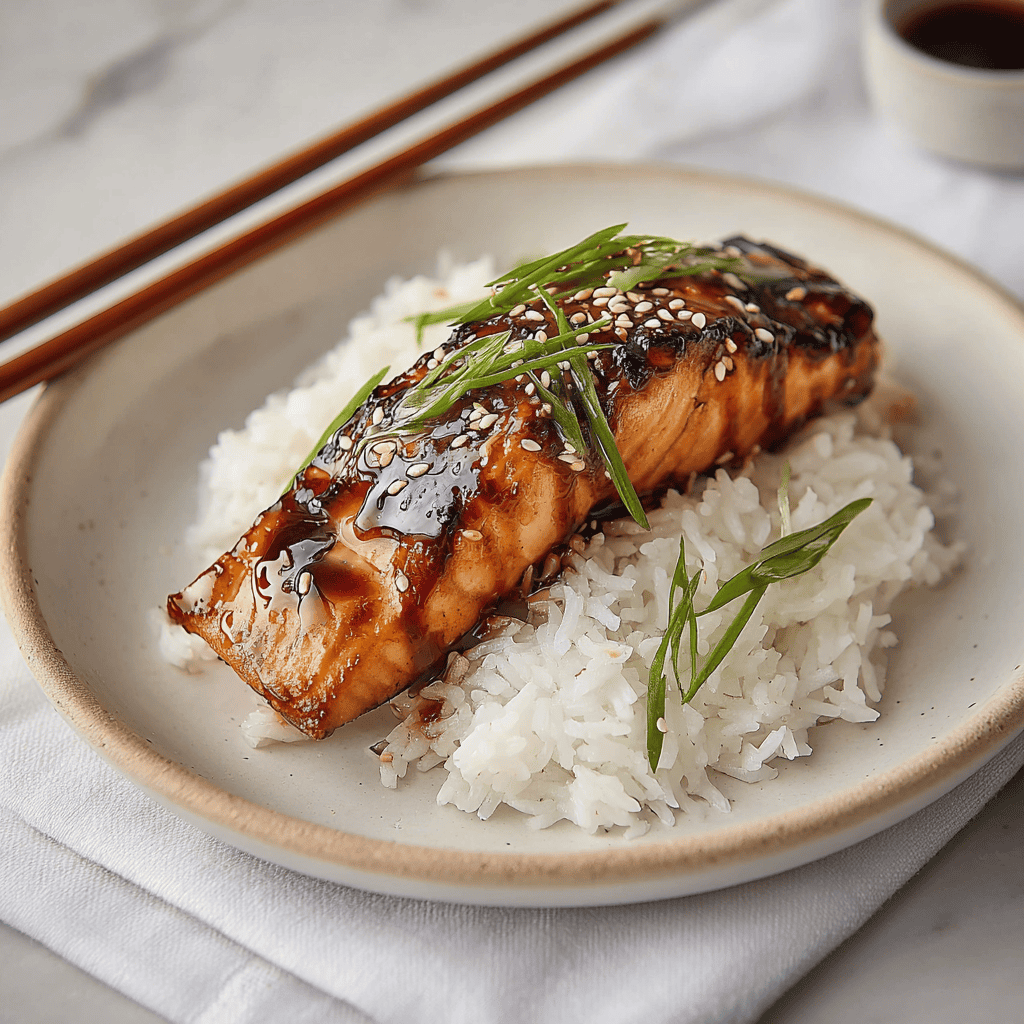
The best part is what happens in the pan. The sauce starts thin, whispers sweet-savory things, and then—boom—thickens into that lacquered finish that restaurants charge extra for. The salmon flakes at the nudge of a fork, the glaze glistens, and the whole kitchen smells like umami and caramel. To be real, it tastes like you ordered ready made protein meals but somehow found the personal touch those never quite nail. And yes, we keep it halal here: rice vinegar instead of mirin, or a halal mirin-style option if you’ve got one. Comforting. Fast. Gorgeous. Repeatable.
Why You’ll Love This Recipe
It’s weeknight fast. From whisk to plate in under 30 minutes, which makes it ideal for easy weeknight dinners—especially when the hanger is real.
It tastes like takeout, only fresher. The sauce has that glossy, sweet-savory balance you love, without mystery ingredients.
It’s protein-rich and satisfying. Salmon keeps high macro meals on track while still tasting indulgent.
Leftovers are elite. Pack bowls with rice and veggies for best meal prep healthy wins and easy no prep healthy lunches.
Flexible cooking methods. Pan-sear, bake, or grill depending on your schedule and energy.
Family-friendly. Sweetness keeps picky eaters happy, and you can control the heat if spice-averse folks are at the table.
What Makes This Recipe Special?
Balanced sweetness. Honey or brown sugar bring shine, but rice vinegar keeps the sauce bright and not cloying.
Sticky, restaurant-style glaze. A tiny cornstarch slurry turns the sauce into a clingy coat that hugs every bite.
Halal-friendly by default. We skip traditional mirin (alcoholic) and go with rice vinegar + honey for that classic profile without compromise.
Pantry-staple simple. Soy sauce, garlic, ginger, a neutral sweetener—these live in most kitchens, which makes this a dependable option for good meal prep plans.
Built for creativity. Add sriracha, swap the garnish, play with citrus—make it yours and still keep the bones of a classic.
Ingredients
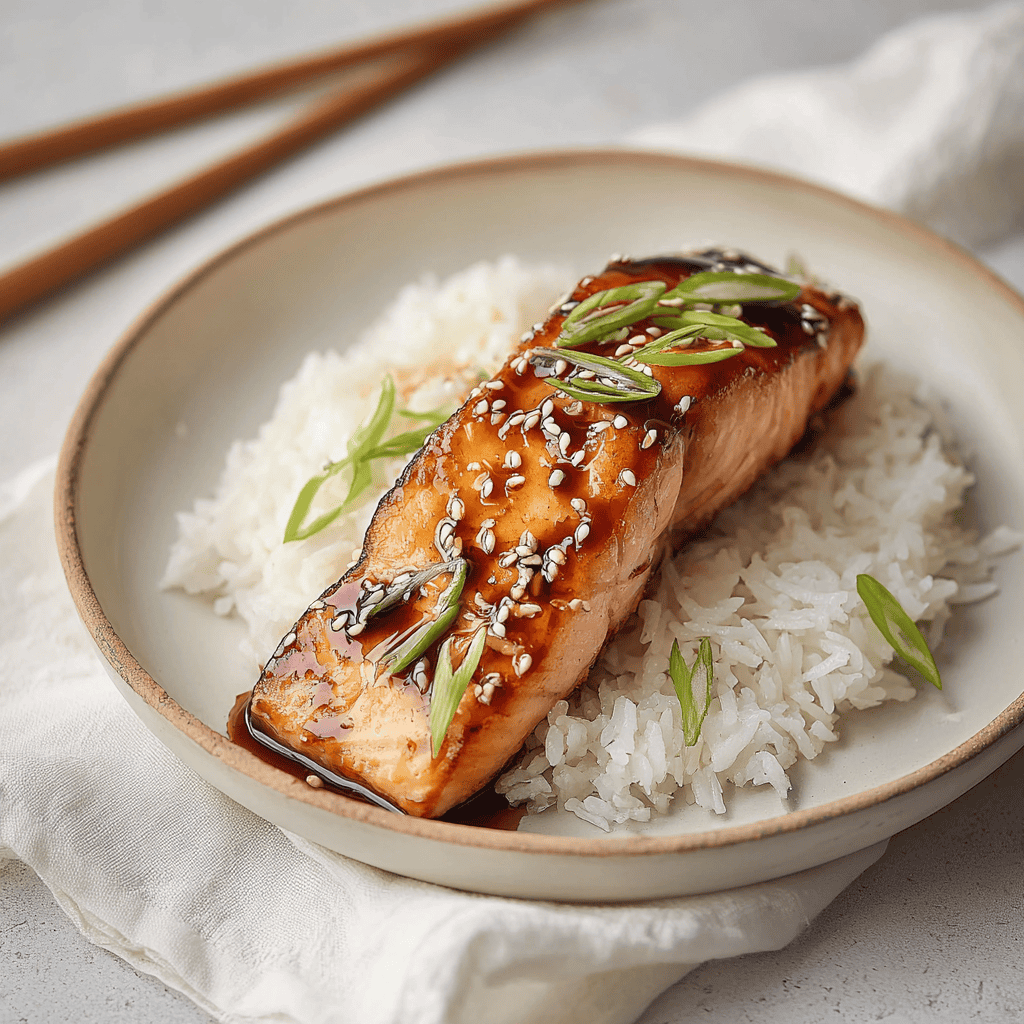
Salmon fillets
Use four pieces, about 6 ounces each. Skin-on gets extra crispy and protects the fish while it cooks. Wild or responsibly farmed works; I aim for center-cut for even thickness. It’s your high protein meals base and the reason dinner feels fancy with very little effort.
Soy sauce (halal-certified) or tamari
This is the umami backbone. Low-sodium lets you control salt. If you’re gluten-free, use tamari. Check labels for halal certification.
Honey or brown sugar
Honey gives a floral, clean sweetness and a shiny finish. Brown sugar adds deeper caramel notes. Either works; choose based on what’s open in your pantry.
Garlic and fresh ginger
These aren’t optional flavor buddies; they’re the soul of the sauce. Freshly minced garlic and grated ginger hit your nose the moment they hit heat. If you only have ground ginger, use half the amount and bloom it in the warm sauce.
Rice vinegar
Bright, tangy, and alcohol-free, it keeps the glaze lively. Traditional mirin contains alcohol, so we skip it. If you want a mirin-like vibe, mix 1 tablespoon rice vinegar with an extra 1–2 teaspoons honey as a halal stand-in.
Sesame oil
Just a little adds that toasty, nutty perfume that makes the dish smell like your favorite Japanese spot. Too much overwhelms, so measure with a light hand.
Water
It stretches the sauce and buys you time so the sugars don’t burn while the salmon finishes.
Cornstarch (optional)
For a thicker, clingier glaze. A tiny slurry works fast—don’t overdo it or the sauce gets gloopy.
Green onions and sesame seeds
Freshness and crunch to finish. They also make the plate look styled without actually styling.
Don’t do this: don’t use cooking wine or traditional mirin with alcohol; don’t drown the salmon in sauce while it’s still cold (it won’t sear well); don’t cook on screaming-high heat if your pan tends to scorch; and don’t walk away right after adding the sweetener—the line between “caramelized” and “uh-oh” is thin.
How to Make It Step-by-Step
- Make the sauce
In a small saucepan, whisk soy sauce, honey (or brown sugar), rice vinegar, sesame oil, minced garlic, grated ginger, and water. Set over medium heat. The aroma shifts from sharp to mellow in about a minute—the garlic sweetens, the ginger wakes up, and you’ll see tiny wisps of steam. If you like a thicker glaze, whisk 1 tablespoon cornstarch with 2 tablespoons cool water and keep it nearby. - Simmer to glossy
Bring the sauce to a gentle simmer. If using the slurry, stream it in while whisking. The bubbles will turn lazy, and the sauce will thicken enough to coat the back of a spoon. Pull it off the heat; it will thicken a bit more as it stands. Taste. You want a sweet-savory balance with a bright little tang. If it’s too salty, add a teaspoon of water. Too sweet? A splash more vinegar. This is your glaze; make it sing now. - Pat the salmon dry
Moisture is the enemy of a good sear. Pat fillets dry on both sides and season lightly with salt and pepper. If the skin is on, score it once or twice with a sharp knife to keep it from curling. This little prep step is the difference between “restaurant sear” and “poached by accident.” - Sear the salmon
Heat a bit of neutral oil in a skillet over medium-high. When the oil shimmers, place salmon in the pan skin-side down. It should whisper—not scream—when it hits the pan. Press lightly with a spatula for the first 20 seconds so the skin contacts the pan fully. Cook 3–4 minutes until the skin is crisp and the color creeps halfway up the sides. - Flip and finish
Turn the fillets gently and cook another 2–3 minutes, depending on thickness. The fish should be springy, not stiff. My first time, I went rogue and tried to multitask—burned the edges, panicked, and learned my lesson. Stay close here. You’re building that tender flake we all love in high protein pre made meals, only fresher. - Glaze
Reduce heat to low. Pour the warm teriyaki sauce into the skillet, spooning it over the top of each fillet. It will bubble and thicken on contact, cloaking the salmon in a glossy jacket. Let it simmer 1–2 minutes. If you see the sugars darkening too quickly, slide the pan off the heat and keep basting. - Rest and garnish
Transfer salmon to plates, spoon over any extra glaze, and scatter sliced green onions and sesame seeds. The kitchen will smell like toasted sesame and sweet soy, and the fillets will gleam like they just got polished for a photo shoot.
Baking option
Heat oven to 400°F. Place salmon on a foil-lined sheet. Brush with sauce and bake 12–15 minutes, brushing again halfway. For thicker fillets, start at 15–18 minutes. This method is great when you’re juggling sides for quick family meals.
Grilling option
Brush salmon with sauce and grill over medium heat, 4–5 minutes per side. Finish with a warm drizzle of glaze off-heat to avoid burning sugars.
Tips for Best Results
Dry your salmon well. Moisture sabotages searing and dilutes flavor.
Control the heat. Medium-high gives you color without burning the sugars in the glaze.
Use low-sodium soy. It keeps your final seasoning flexible, which matters for leftovers and best dinner prep meals.
Taste the sauce before glazing. Adjust sweetness and tang now; you can’t fix it easily once it’s on the fish.
Don’t overcook. Pull salmon at an internal temp around 125–130°F for medium and let carryover bring it to 135–140°F. If you prefer USDA doneness, cook to 145°F, but don’t forget it will keep cooking off-heat.
Glaze at the end. Sugars burn fast. Sear first, glaze last, and you’ll get that restaurant sheen without a bitter aftertaste.
Ingredient Substitutions & Variations
Soy sauce → Tamari for gluten-free, or coconut aminos if you want slightly sweeter, lower-sodium vibes.
Honey → Maple syrup for earthier sweetness; great if you’re building bowls that mimic best high protein frozen meals at home.
Rice vinegar → Apple cider vinegar in a pinch; start with slightly less and add to taste.
Spicy kick → A squirt of sriracha or a pinch of red pepper flakes for heat lovers.
Citrus twist → Add orange zest and a squeeze of juice for a brighter, sunshiney glaze.
Pineapple version → Swap some water for pineapple juice for a tangy, tropical finish that plays well with grilled veggies.
Garlic-ginger boost → Increase both by 50% if you want bold, punchy flavor.
Serving Suggestions
Spoon salmon over fluffy jasmine rice with steamed broccoli and a drizzle of extra glaze. Add avocado slices for creaminess and cucumber for crunch. It’s the at-home version of takeout that still fits the spirit of best meals to prep and those high carb high protein low fat meals you’re trying to dial in.
For a lighter plate, serve with garlicky green beans, sesame-lime slaw, or a simple mixed-greens salad. If you’re thinking healthy eating for two, split a fillet and load up on veggies. It’s unfussy, beautiful, and just feels right with a cozy TV night.
Pairing Ideas (Drinks, Sides, etc.)
Sparkling water with lime, unsweet iced green tea, or ginger-lime spritzers keep things fresh.
Crisp sides like snap peas, grilled asparagus, or blistered shishitos make the glaze pop.
Rice options: jasmine, brown, or cauliflower rice if you’re steering your protein meal plan.
Noodles: soba or rice noodles tossed with sesame oil and scallions.
Fast add-ons: edamame, pickled carrots, or citrus wedges for brightness.
How to Store and Reheat Leftovers
Chill leftovers in a sealed container for up to 3 days. The glaze sets up in the fridge and turns silky again when warmed. For premade lunch meals, portion with rice and steamed veggies—hello, no prep healthy lunches that actually taste good.
To reheat, warm gently in a covered skillet over low heat with a teaspoon of water until just hot. The microwave works, too—short 30-second bursts with a cover to trap steam. Don’t blast it; overcooked salmon gets chalky. If the glaze looks thick, a splash of water or a spoon of fresh sauce loosens it perfectly.
Freezing works for up to 2 months, but the texture is best fresh. If you freeze, thaw in the fridge overnight and reheat gently.
Make-Ahead and Freezer Tips
Make the sauce up to a week ahead and store in the fridge. It’s clutch for nights when you need best meal prep plans to save your sanity.
Batch-cook rice and prep veggies on Sunday. Then all you need is a quick sear, a pour of glaze, and plate. It’s like your own version of low fat meal delivery—only cheaper and tastier.
If you must freeze, undercook salmon by a minute, cool, and store with a thin layer of sauce. Thaw and re-glaze right before serving for a fresher feel.
Common Mistakes to Avoid
Cooking on blazing heat with a sugary sauce. You’ll burn the glaze before the salmon cooks. Sear first, glaze last.
Skipping the pat-dry step. Wet fish won’t sear, and you’ll stew instead of sizzle.
Overcrowding the pan. Give fillets space so they brown instead of steam.
Forgetting carryover cooking. Pull the salmon a touch early, especially for best meal prep healthy portions you plan to reheat.
Using mirin with alcohol. Stick to rice vinegar or halal mirin-style substitutes to keep it compliant.
Frequently Asked Questions (FAQ)
Can I use frozen salmon?
Yes. Thaw fully in the fridge and pat very dry. Frozen fillets tend to shed water; drying is key to a good sear.
Is the sauce very sweet?
It’s balanced. Start with the written amount and adjust—add vinegar for tang or a touch more honey for sweetness.
How do I know when the salmon is done?
It should flake easily and look just opaque at the center. Aim for 125–130°F for medium or up to 145°F if you prefer fully done.
Can I bake it instead of searing?
Absolutely. Bake at 400°F for 12–15 minutes, brushing with sauce halfway. It’s hands-off and great for quick family meals.
Can I make it gluten-free?
Yes—use tamari and double-check any other condiments.
Can I meal-prep this?
Totally. Portion with rice and vegetables for meal prep microwave lunches. The glaze protects moisture so it reheats well.
What if I don’t have fresh ginger?
Use ½ teaspoon ground ginger. Bloom it in the warm sauce for a minute to wake it up.
Cooking Tools You’ll Need
Large nonstick or stainless skillet (or a sheet pan for baking)
Small saucepan for the glaze
Whisk and heatproof spatula
Instant-read thermometer (optional but helpful)
Tongs or a thin fish spatula
Measuring cups and spoons
Foil or parchment for easy cleanup
Final Thoughts
There’s a quiet little moment when the sauce goes glossy and the salmon flakes that feels like victory. Not the loud, confetti-canon kind. The soft one—like a deep breath after a busy day. This is why I come back to teriyaki salmon again and again. It respects my time, wraps dinner in a sweet-savory hug, and slides neatly into everything I’m trying to do—eat well, save money, and still enjoy healthy comfort food that feels special.
If you’re building a protein meal plan or aiming for practical high macro meals, this is a keeper. It behaves like takeout but treats your kitchen better. It’s flexible enough for last-minute dinners, thoughtful enough for date night, and sturdy enough for lunch boxes that compete with high protein microwave meals in convenience. Light a candle, set out some lime wedges, and enjoy the kind of dinner that makes you look like you planned more than you did. You deserve that win.
If you enjoyed this recipe, don’t forget to save it on Pinterest or share it with a friend!
Teriyaki Salmon
Ingredients
- 4 fillets salmon (about 6 oz each), skin-on or skinless
- 1/4 cup low-sodium soy sauce (halal-certified) or tamari
- 1/4 cup honey (or brown sugar)
- 2 tbsp rice vinegar
- 1 tbsp sesame oil
- 2 cloves garlic, minced
- 1 tsp fresh ginger, grated
- 1 tbsp neutral oil, for searing (or for greasing pan)
- 1 tbsp cornstarch mixed with 2 tbsp water (optional, for thickening)
- kosher salt and black pepper, to taste
- 1 tbsp sesame seeds (optional, for garnish)
- 2 tbsp green onions, thinly sliced (optional, for garnish)
Instructions
- In a small saucepan, whisk together soy sauce, honey (or brown sugar), rice vinegar, sesame oil, garlic, and ginger. Bring to a gentle simmer over medium heat.
- Optional: Stir in the cornstarch slurry and cook 1–2 minutes until the sauce thickens to a glossy glaze. Remove from heat and set aside.
- Pat salmon dry and season lightly with salt and pepper.
- For stovetop: Heat neutral oil in a large skillet over medium-high. Sear salmon, skin-side down first, 3–4 minutes, then flip and cook 2–3 minutes more until just cooked through.
- Reduce heat to low, pour the warm teriyaki sauce over the salmon, and simmer 1–2 minutes, spooning sauce over the fillets to glaze.
- Serve immediately, garnished with sesame seeds and green onions.
- Oven option: Bake salmon at 400°F (200°C) for 12–15 minutes, brushing with sauce halfway through, until it flakes easily with a fork.
- Grill option: Marinate briefly in some sauce if desired, then grill over medium heat 4–5 minutes per side. Warm remaining sauce and glaze before serving.